A studio · 2025–
Hao Lab
Calculator, computer, creator.
My studio began in an empty classroom near Liangzhu, Hangzhou. I think of it as a first, room-sized prototype of the creator: the machine that comes after the computer.
I think the machine that comes after the computer is a creator: one that helps a person turn an idea into a real thing.
The first computers were huge and rough. Over time they became simpler and smaller, until everyone could use one. I want Hao Lab to be that kind of beginning: my prototype of the creator, as ENIAC was of the computer.
-
Before
Calculator
Does the sums it was built for.
-
Now
Computer
Does whatever it is programmed to do.
ENIAC, 1945, the first general-purpose electronic computer: about thirty tons, 167 m² of floor.
-
Next
Creator
Turns an idea into a real thing.
Hao Lab, 2025, my prototype: one classroom, 52 m² of floor.
December 2025
An empty classroom
When I left my job, a colleague asked me to picture my life in five years. I described a farm with a garage, and me inside it building robots. In high school I was the one who went looking for empty classrooms nobody used.
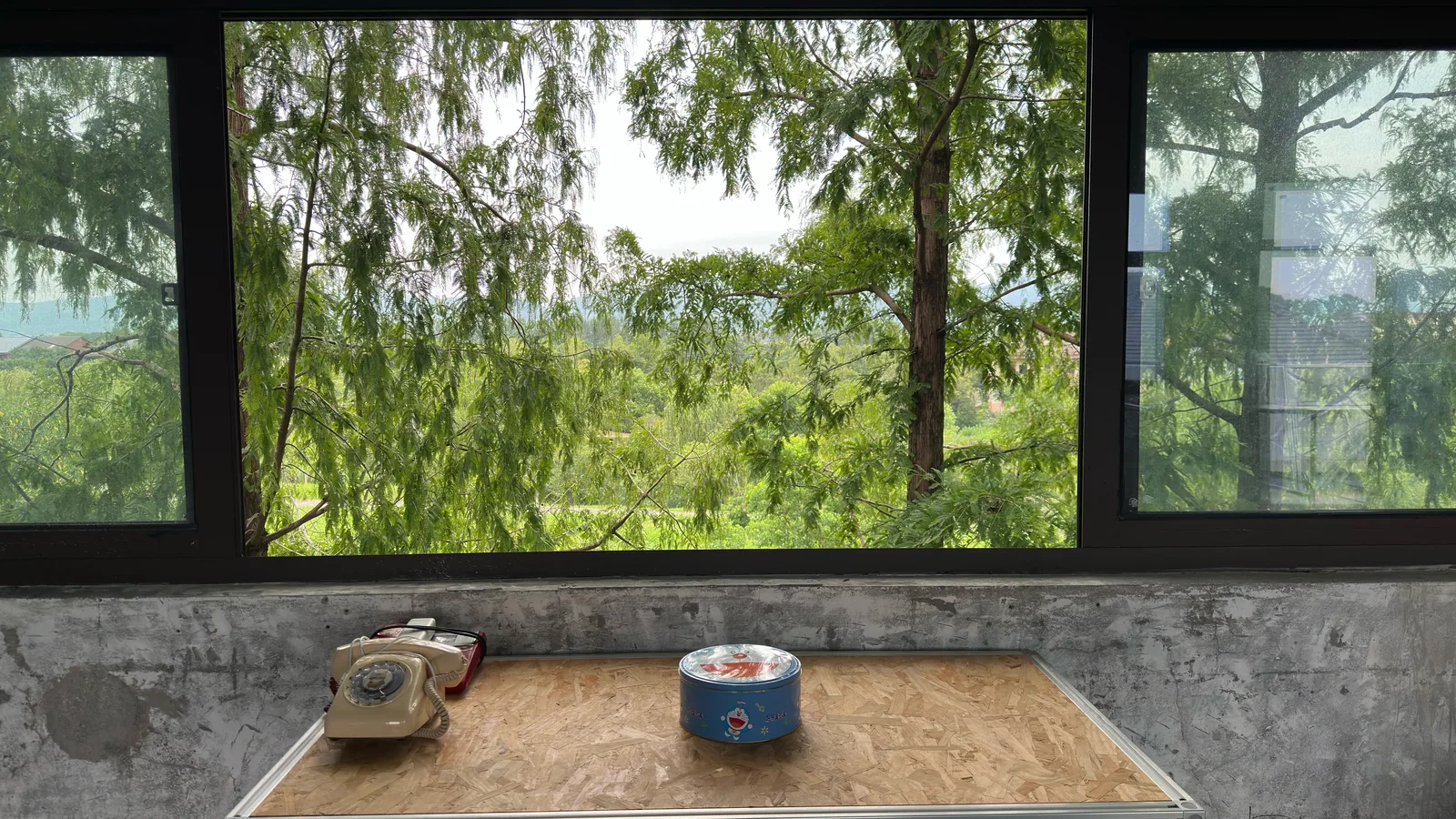
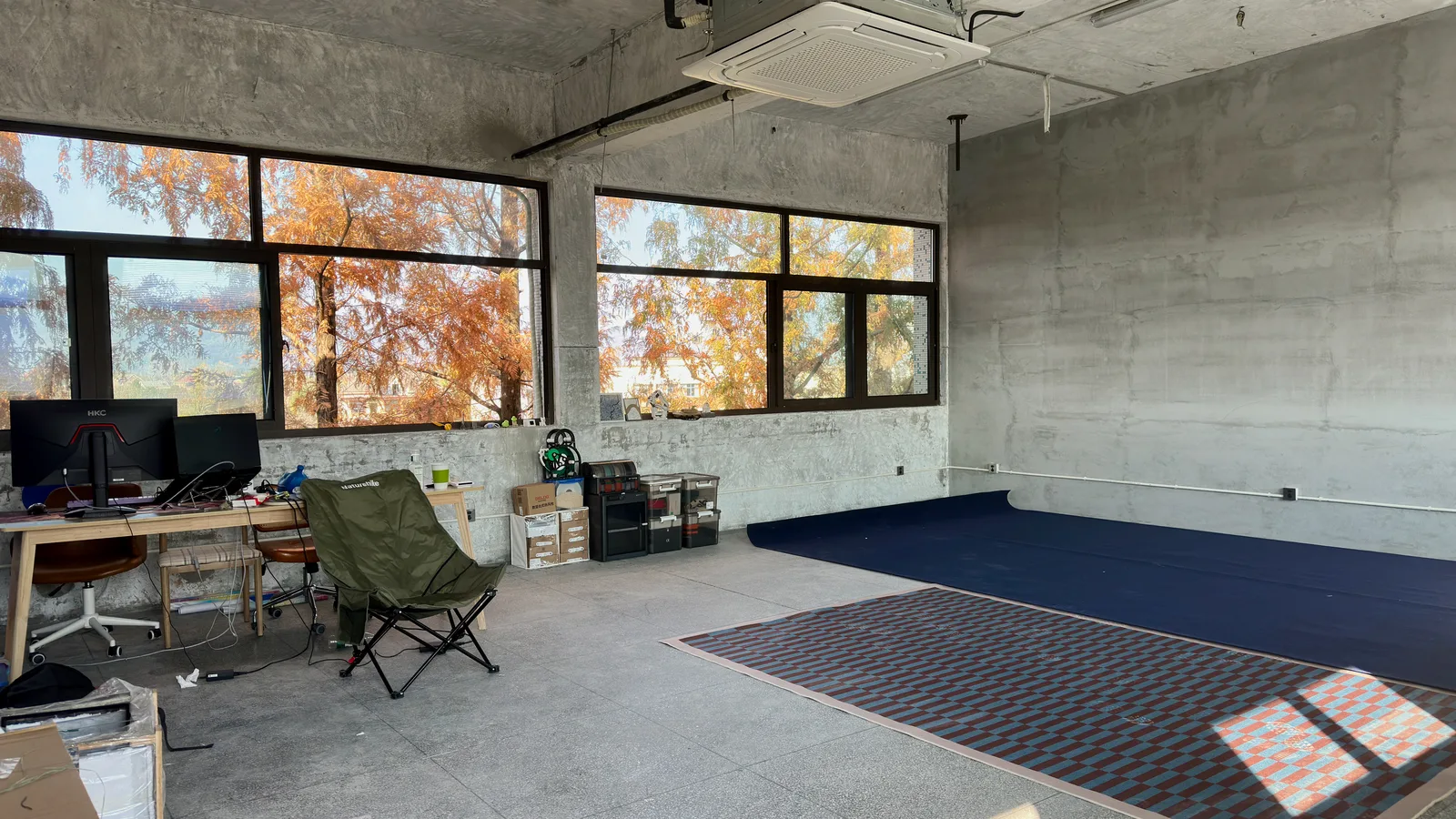
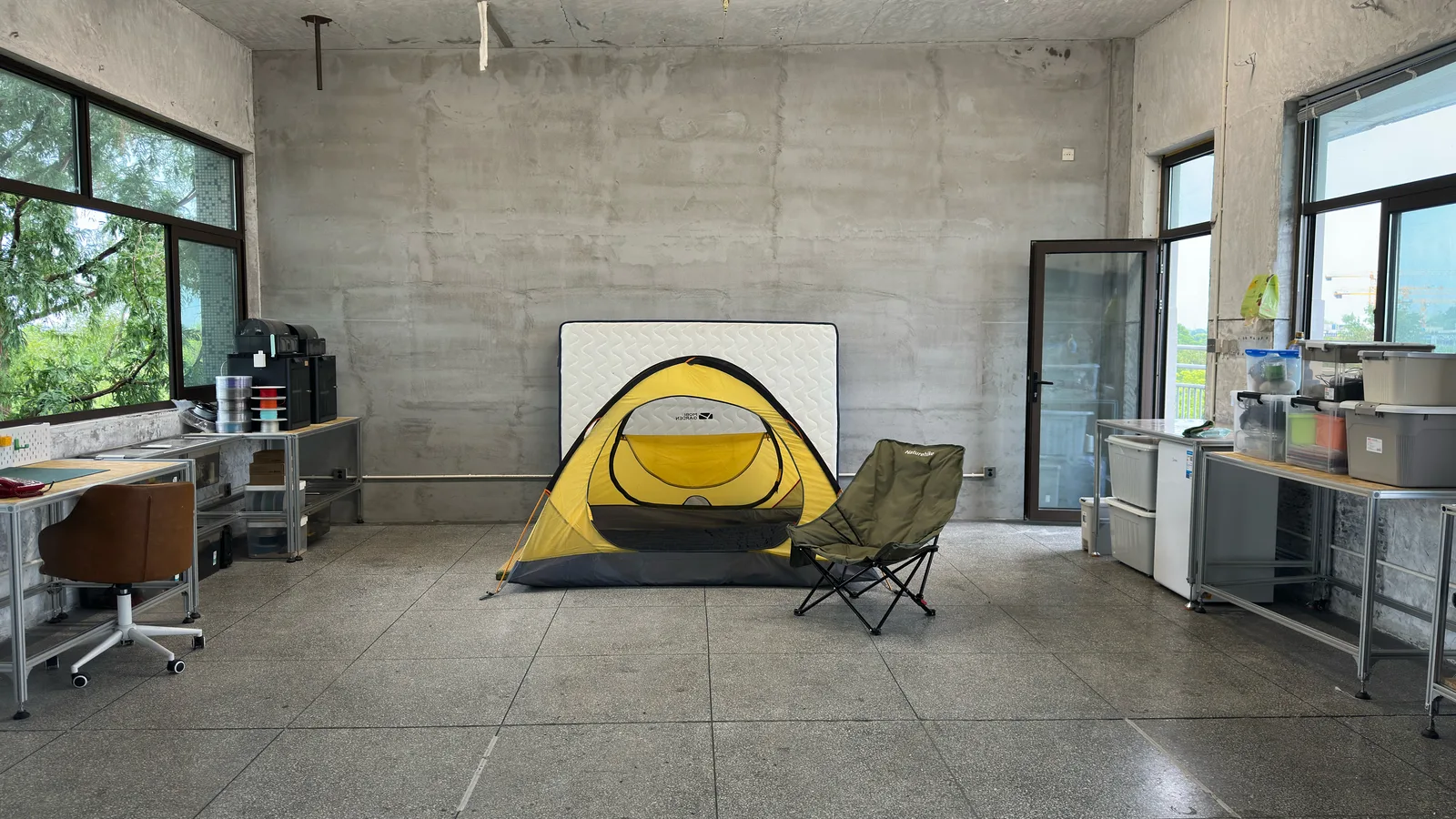
In December 2025 I moved into one. A friend had taken a floor of a former primary school and offered me a room: bare concrete, a row of windows, tall trees outside. I looked at the view and suddenly liked the place.
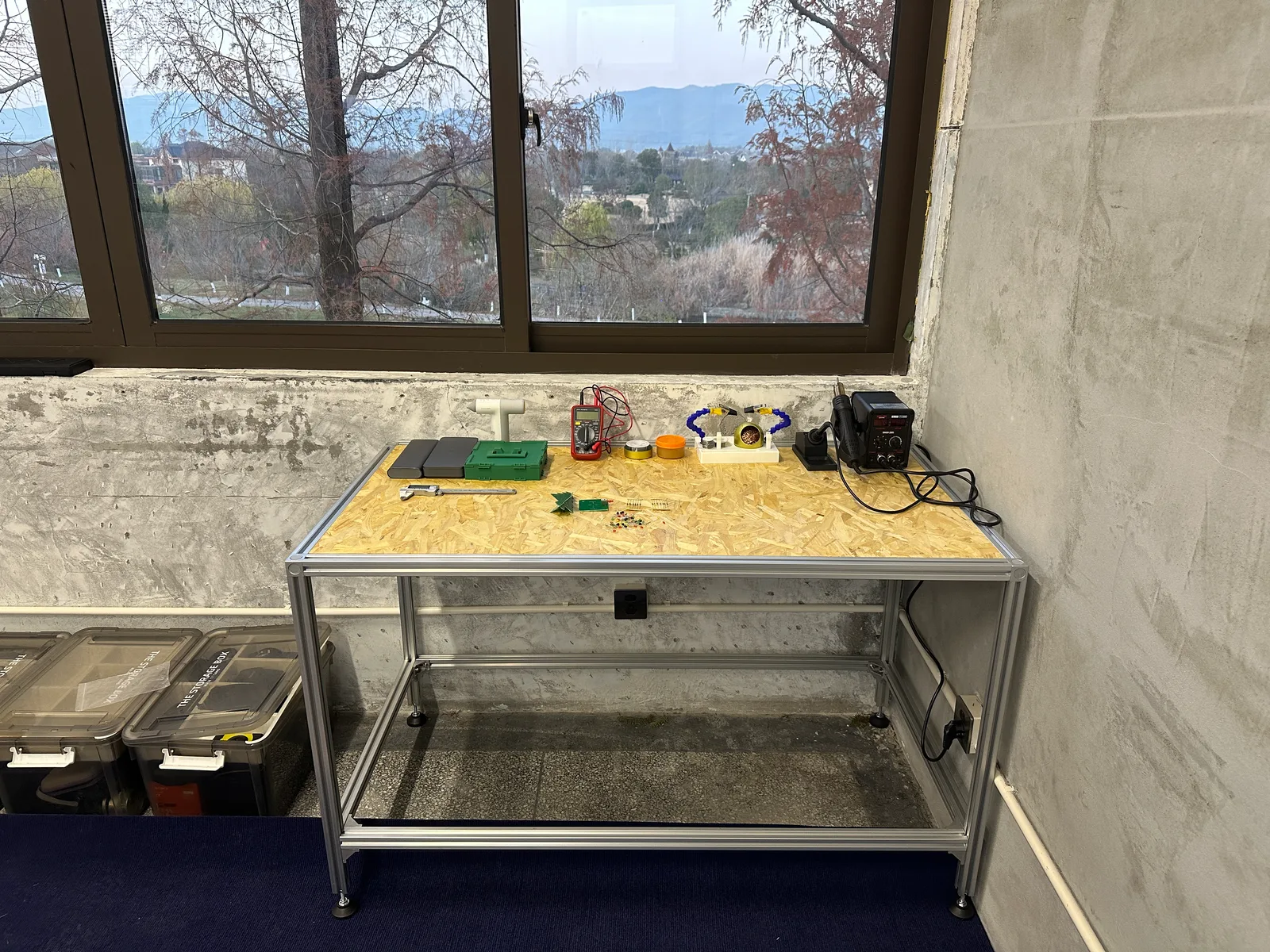
I drew the workbenches myself, aluminium frames with board tops, and got the dimensions wrong on the first one. When it stood under the window anyway, I felt the beauty of a made thing.
February to July 2026
What it made
From February the room was where I worked. I told my AI agents that they were now the main staff of the studio. Most hardware I want to make, I can prototype in two weeks to a month.
So the room made things. These took most of my time.
CosmoRadio
December 2025 to May 2026
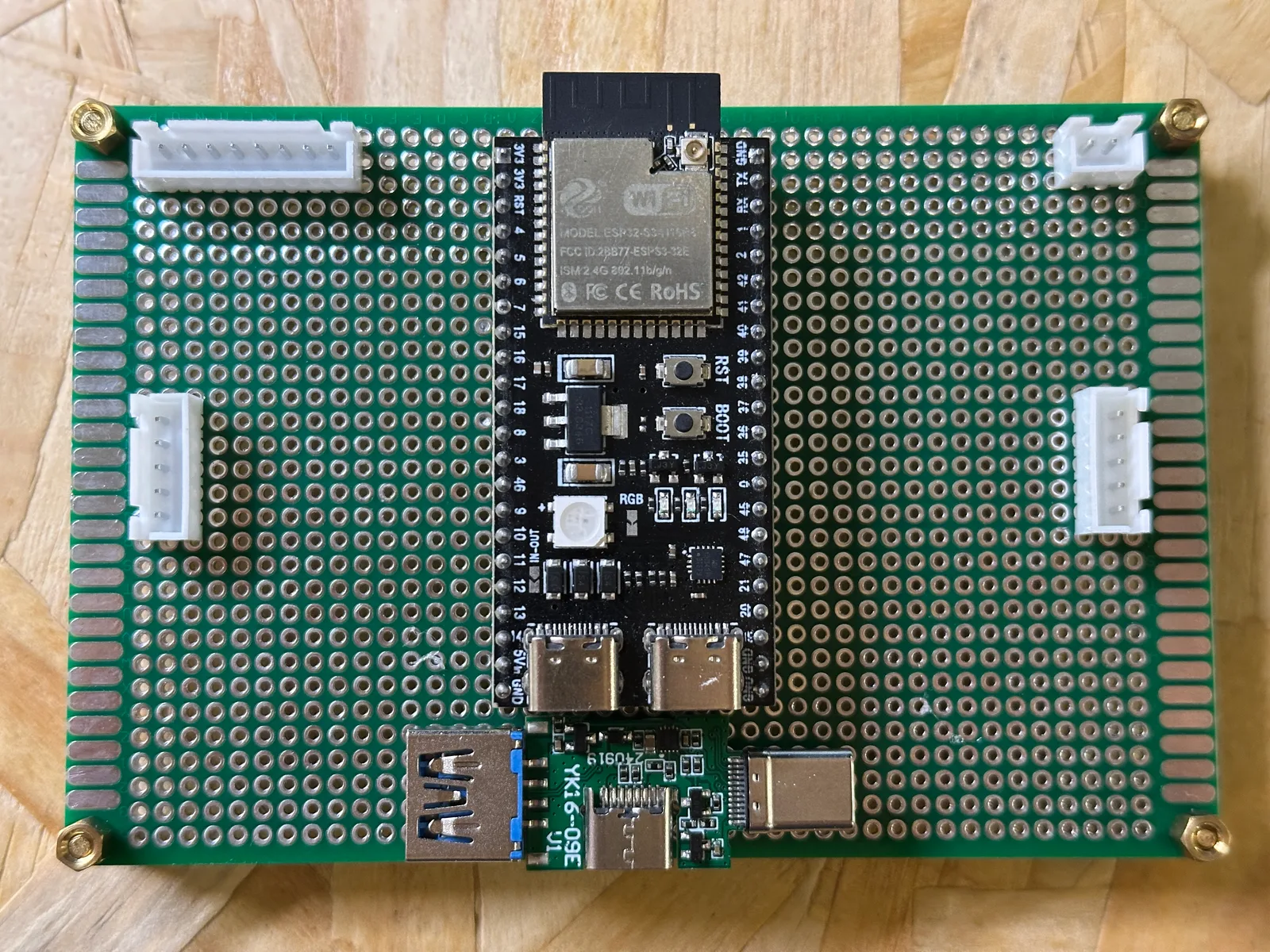
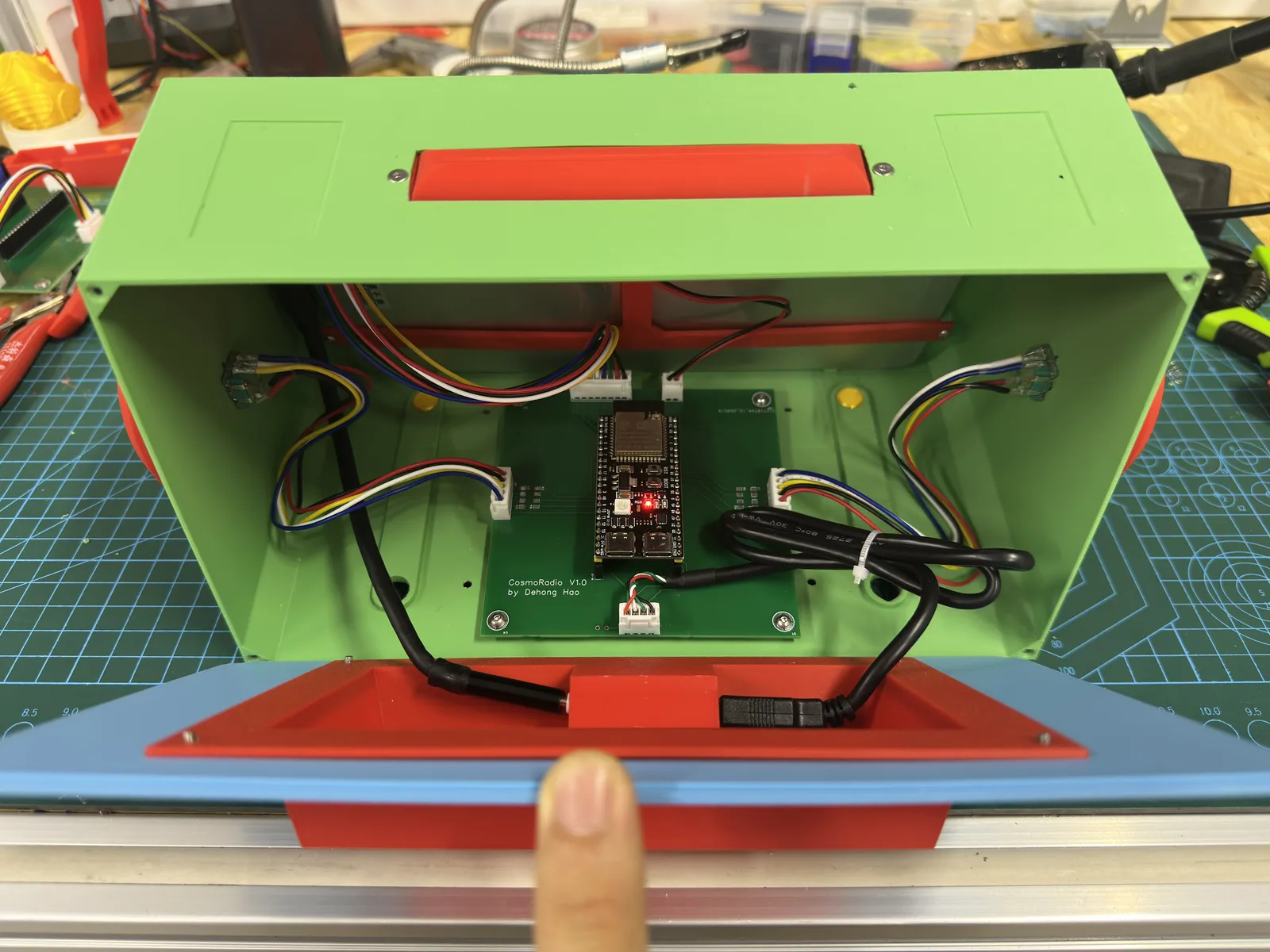
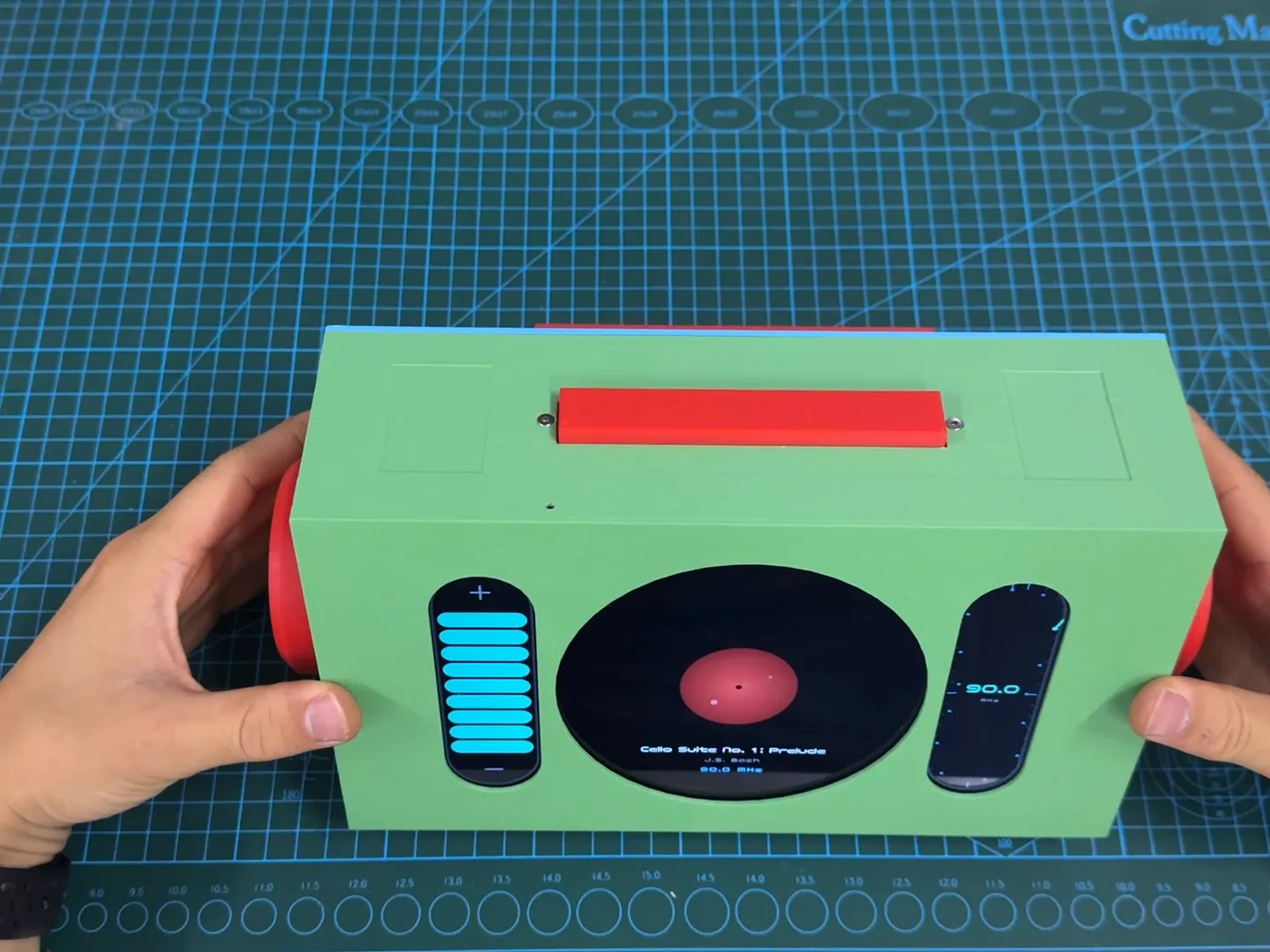
A radio for tuning into a parallel universe: a tablet in a printed case, with two knobs, one big button and cards you tap on it. A friend had the idea and I built the hardware, twelve units over three rounds, then a fourth version on my own circuit board. It is still a prototype.
PhoneClaw
February to April 2026
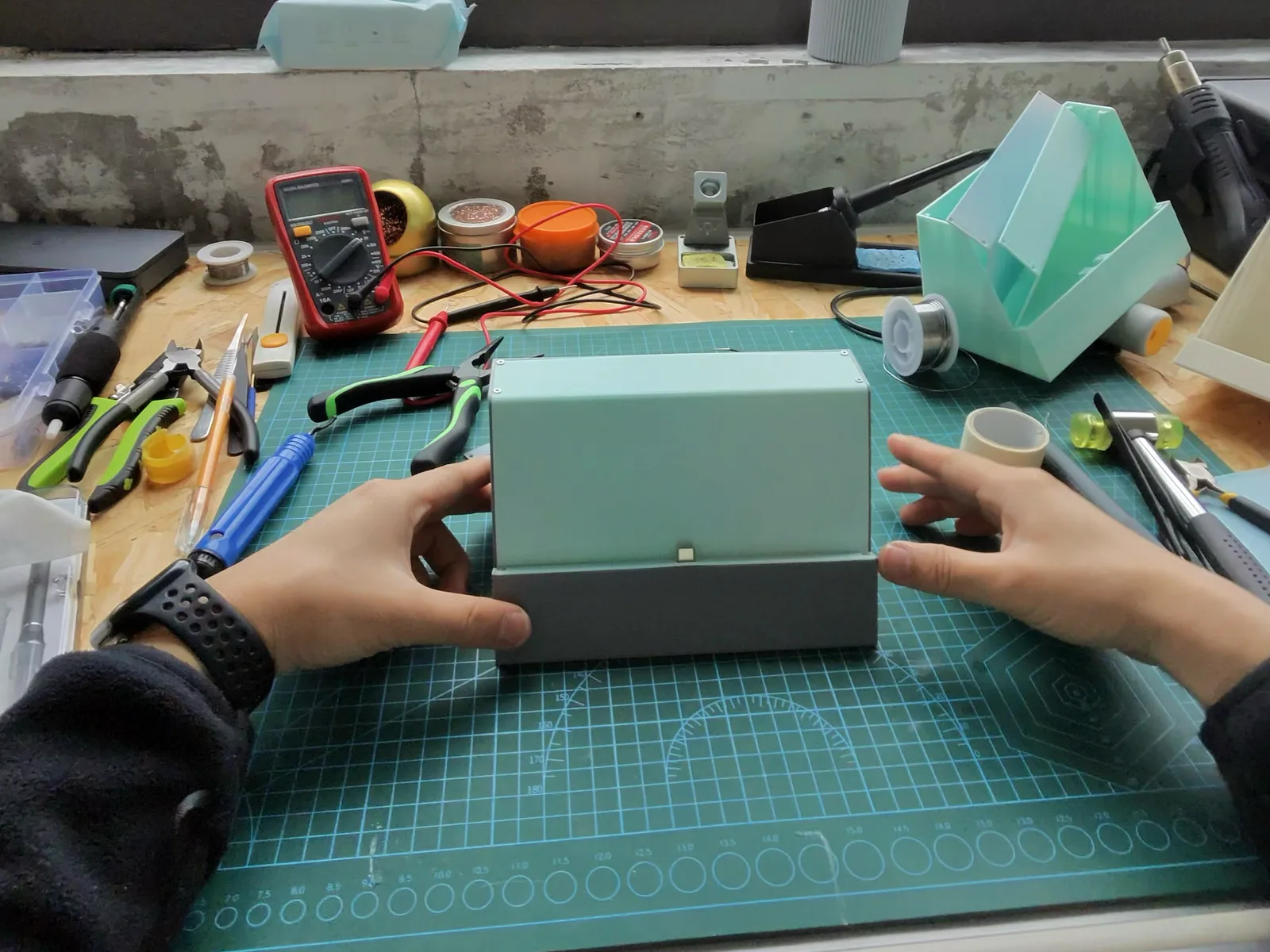
A dock and a small box that let an AI agent use a phone the way a person does: it looks at the screen and taps. The first message it sent took a minute.
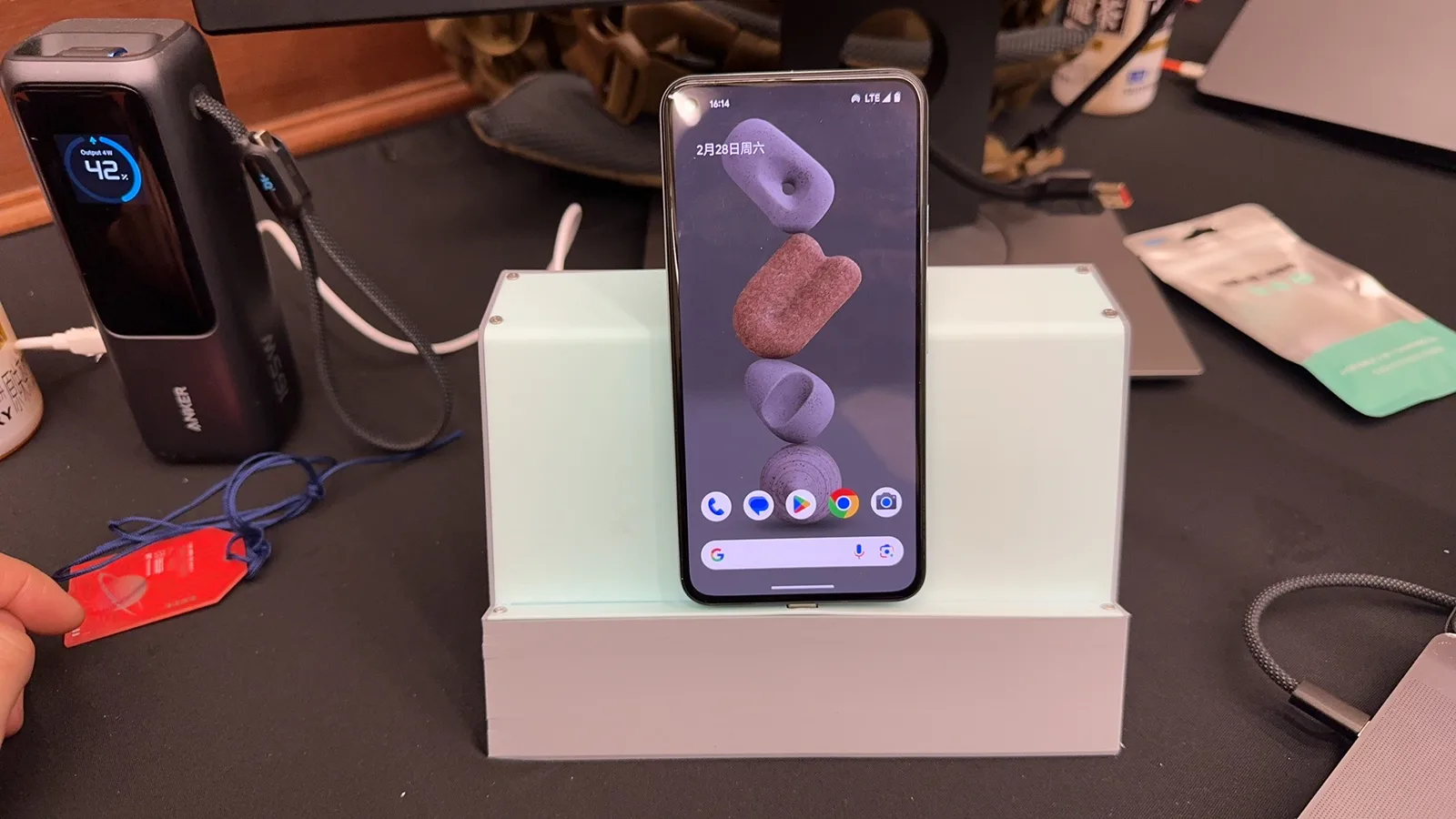
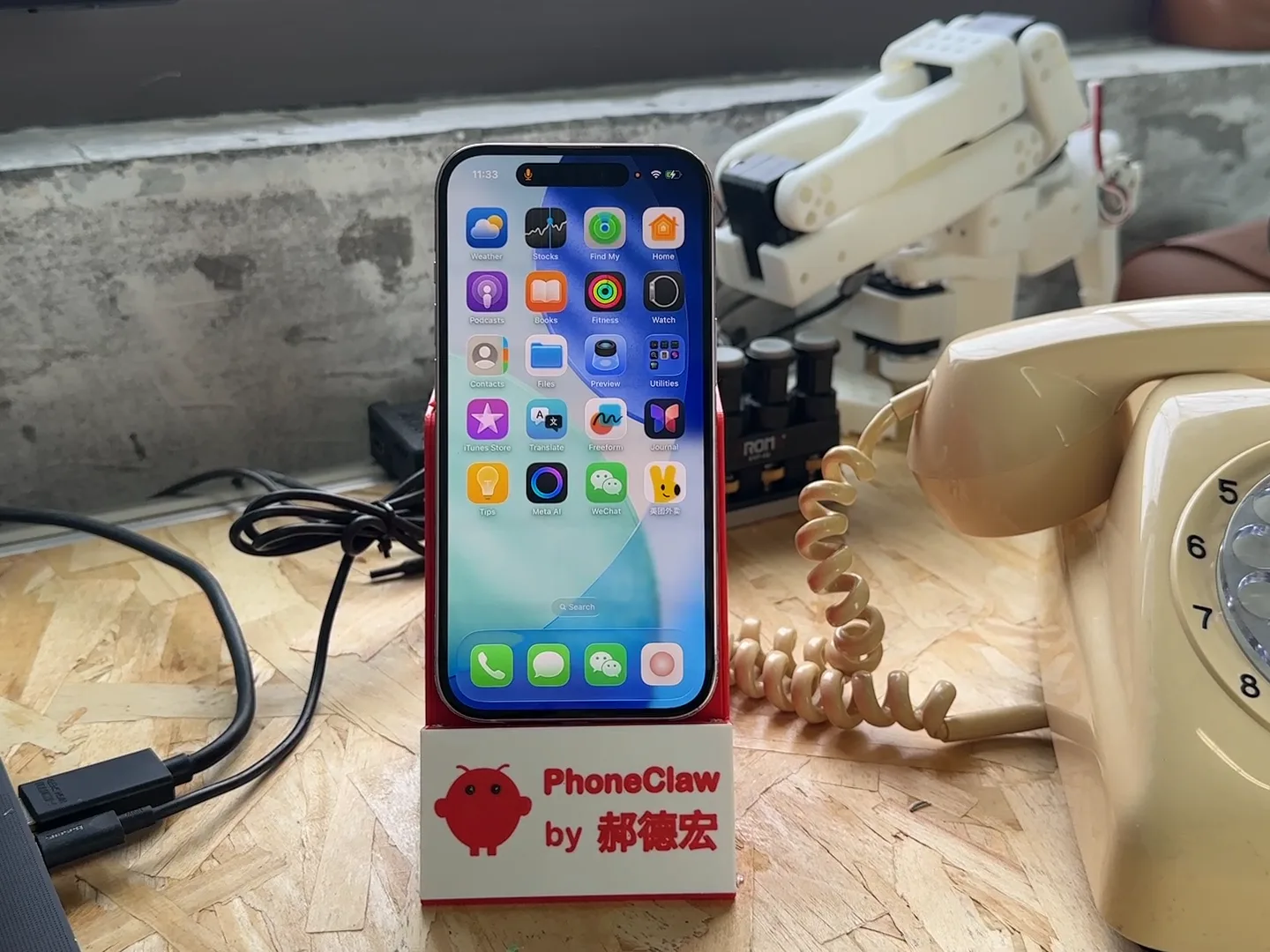
The Telephone
From March 2026
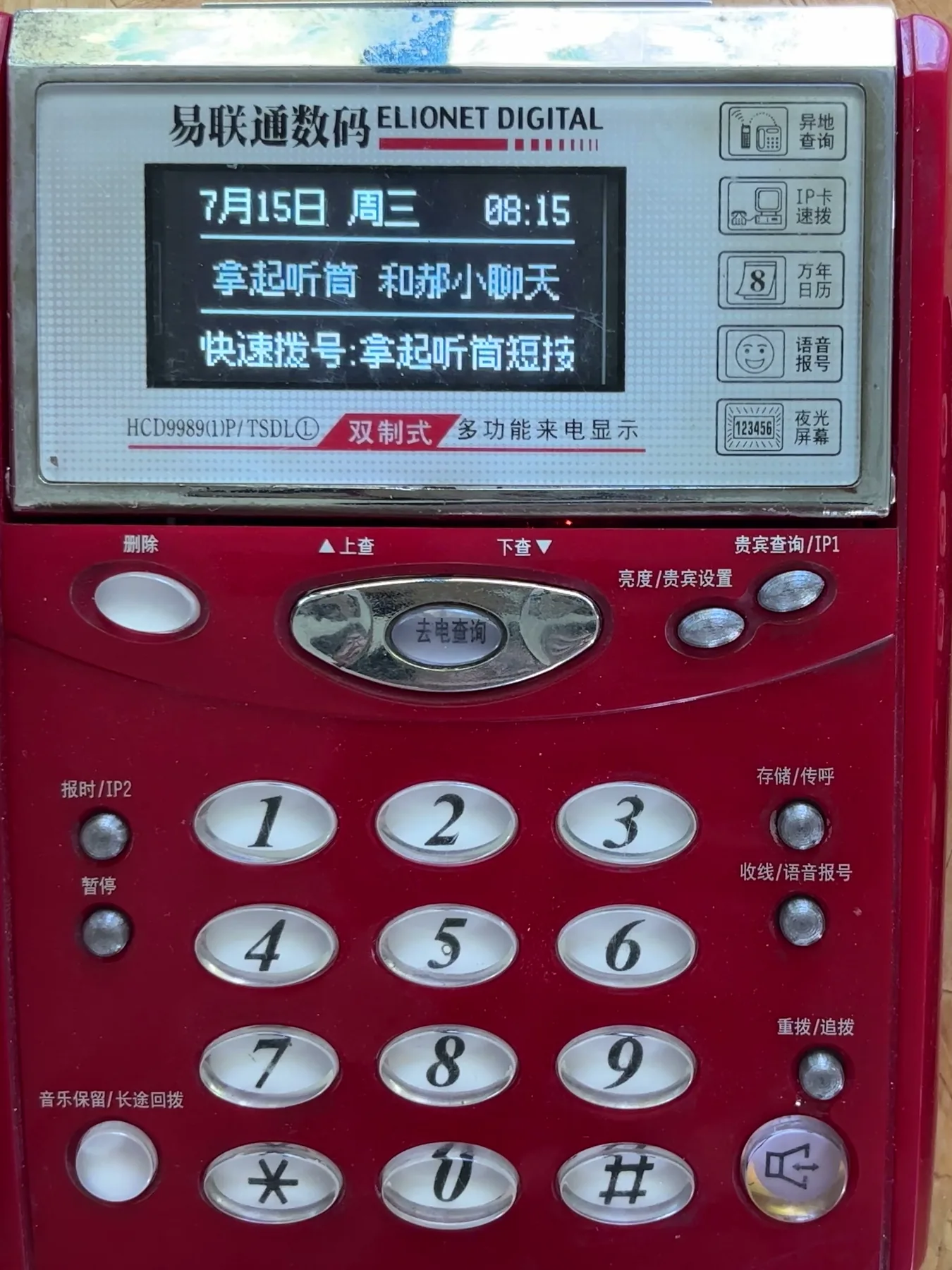
Two of my three telephones were rebuilt on this bench: the one that carries The Letter Writer, and the red one I sent home to my family. Read their story.
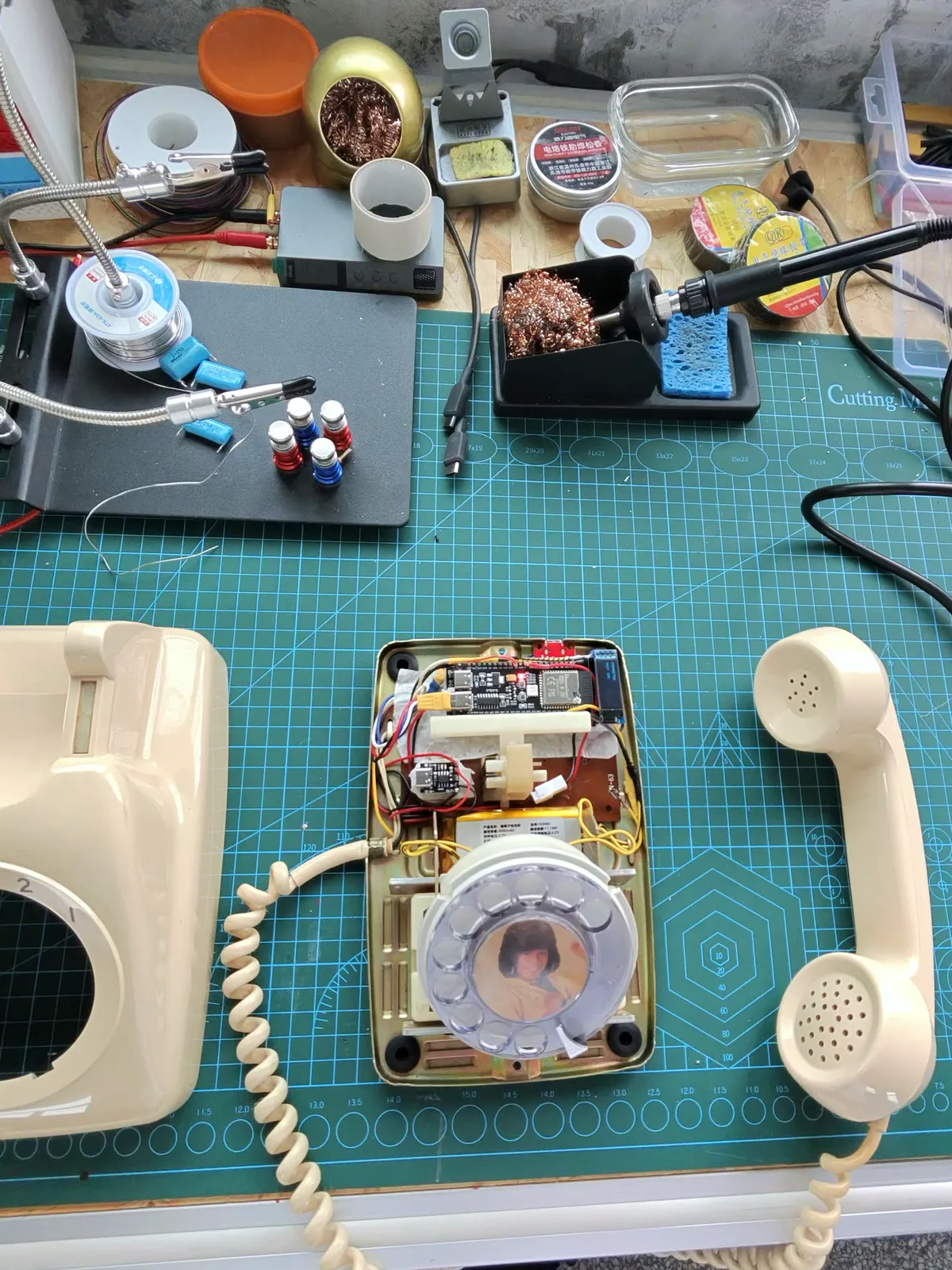
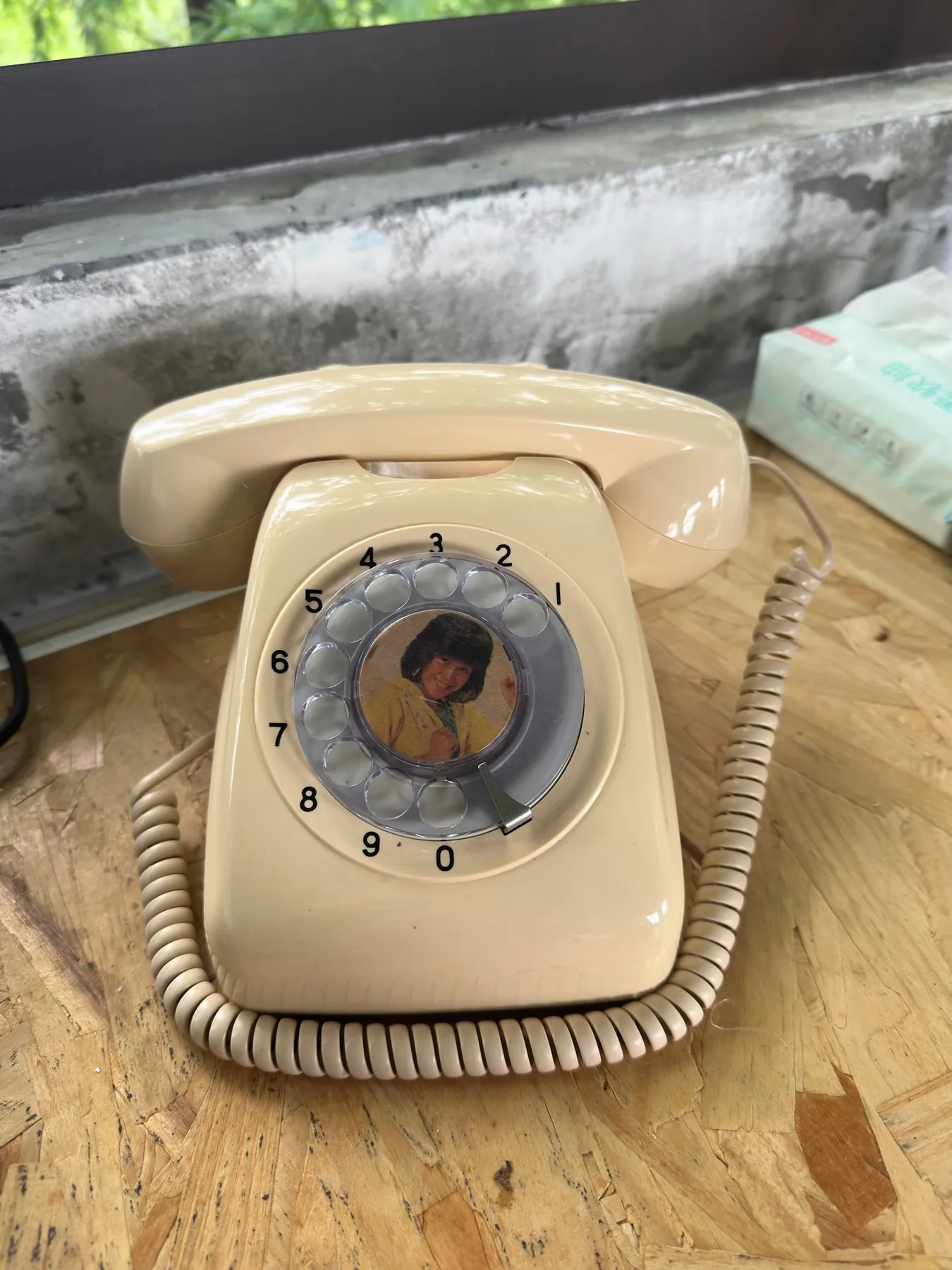
Hao Grow
From April 2026
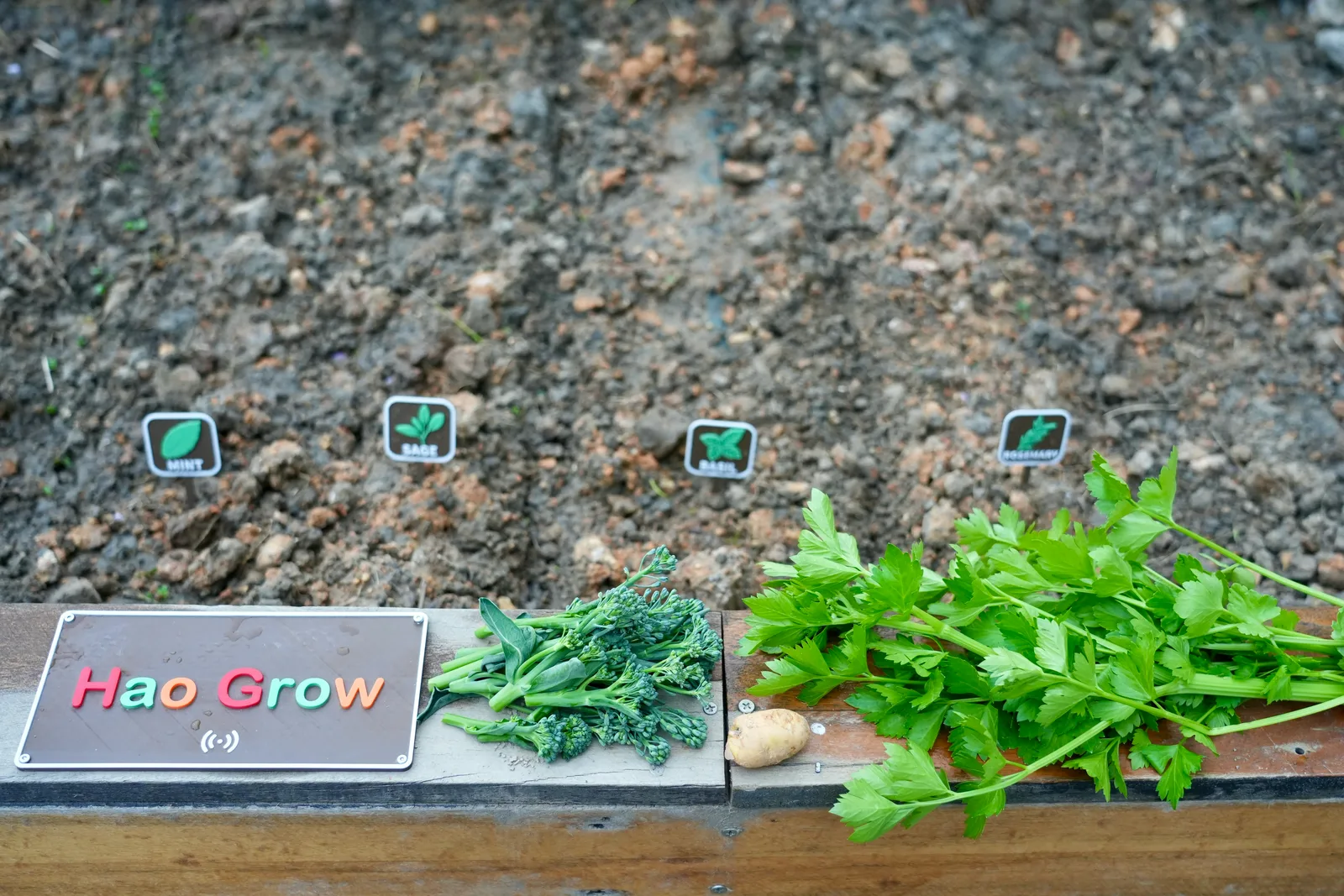
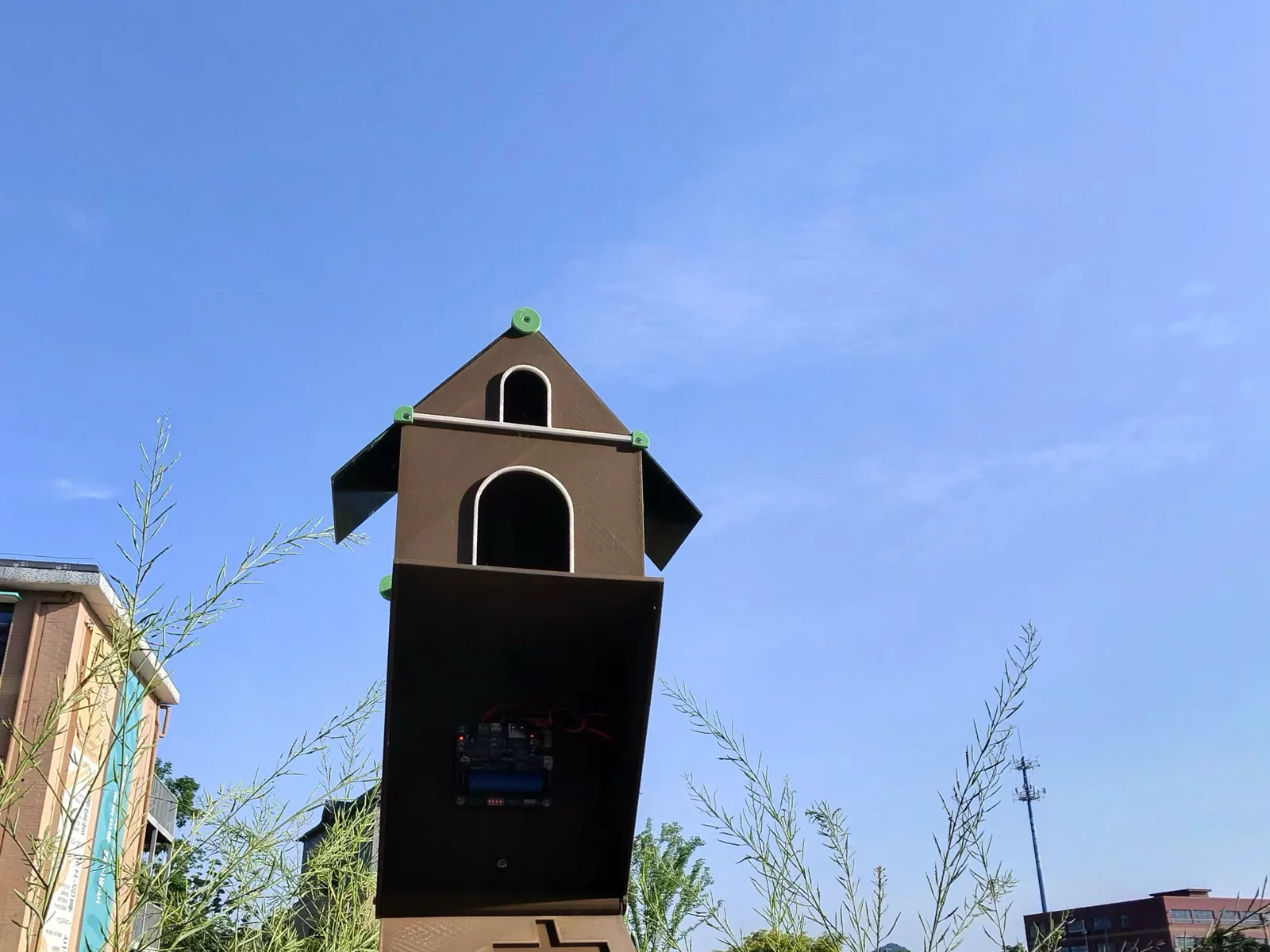
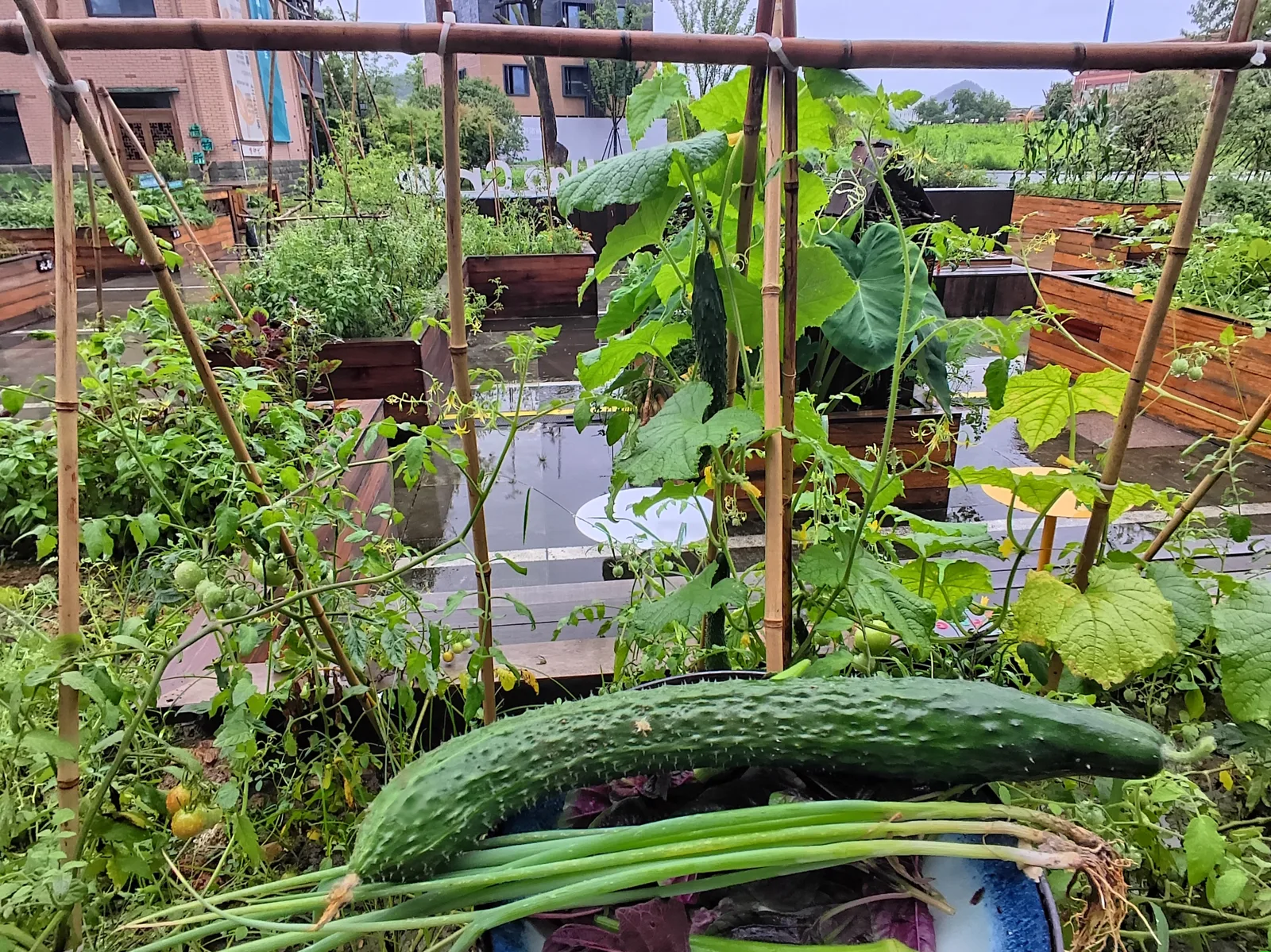
My vegetable bed downstairs. Each plant has a printed name-plate with a tag sealed inside; hold a phone to it and the plant introduces itself. An old phone in a birdhouse watches the bed grow.
Hao Lab Agents
From May 2026
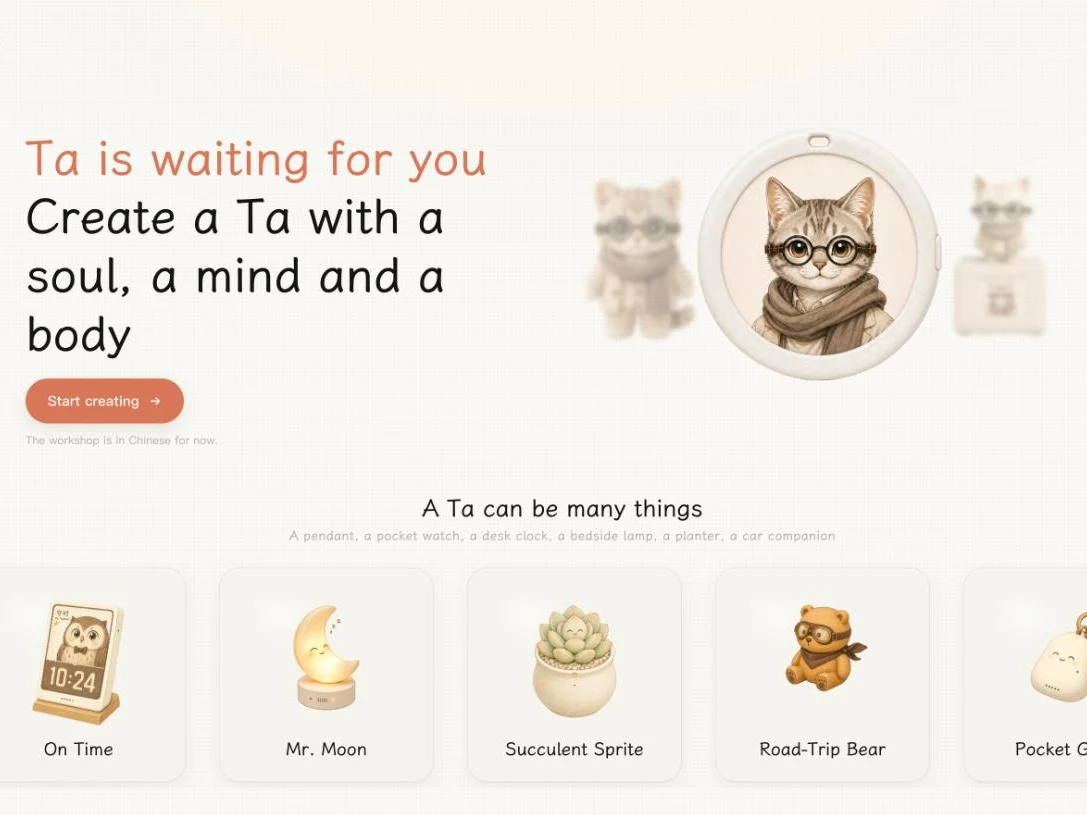
A platform for making an AI character with a body. You give it a personality and a voice in the browser, then pair it with a small device. Its first users were students in a course. wexiyi.com/agents.
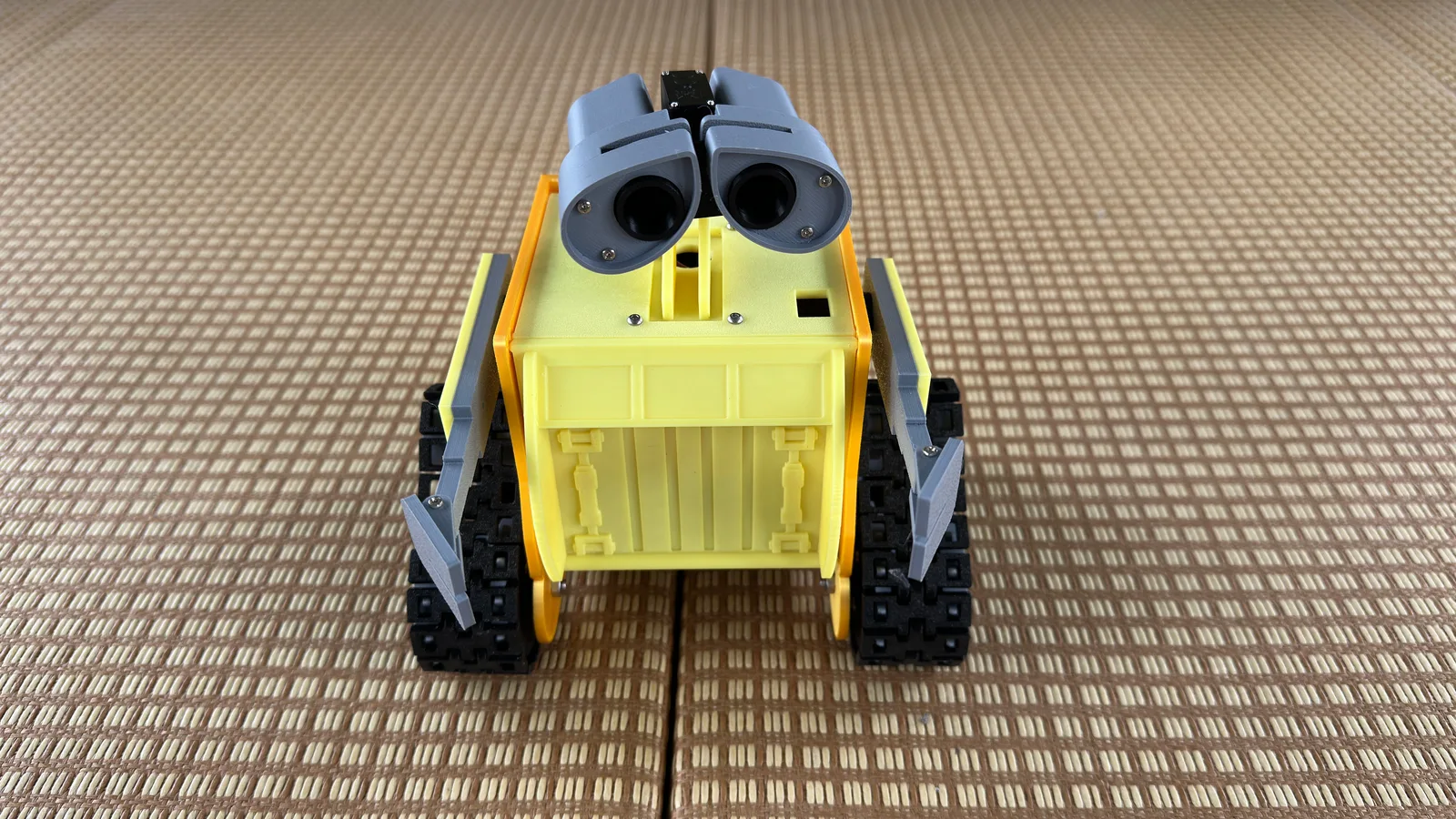
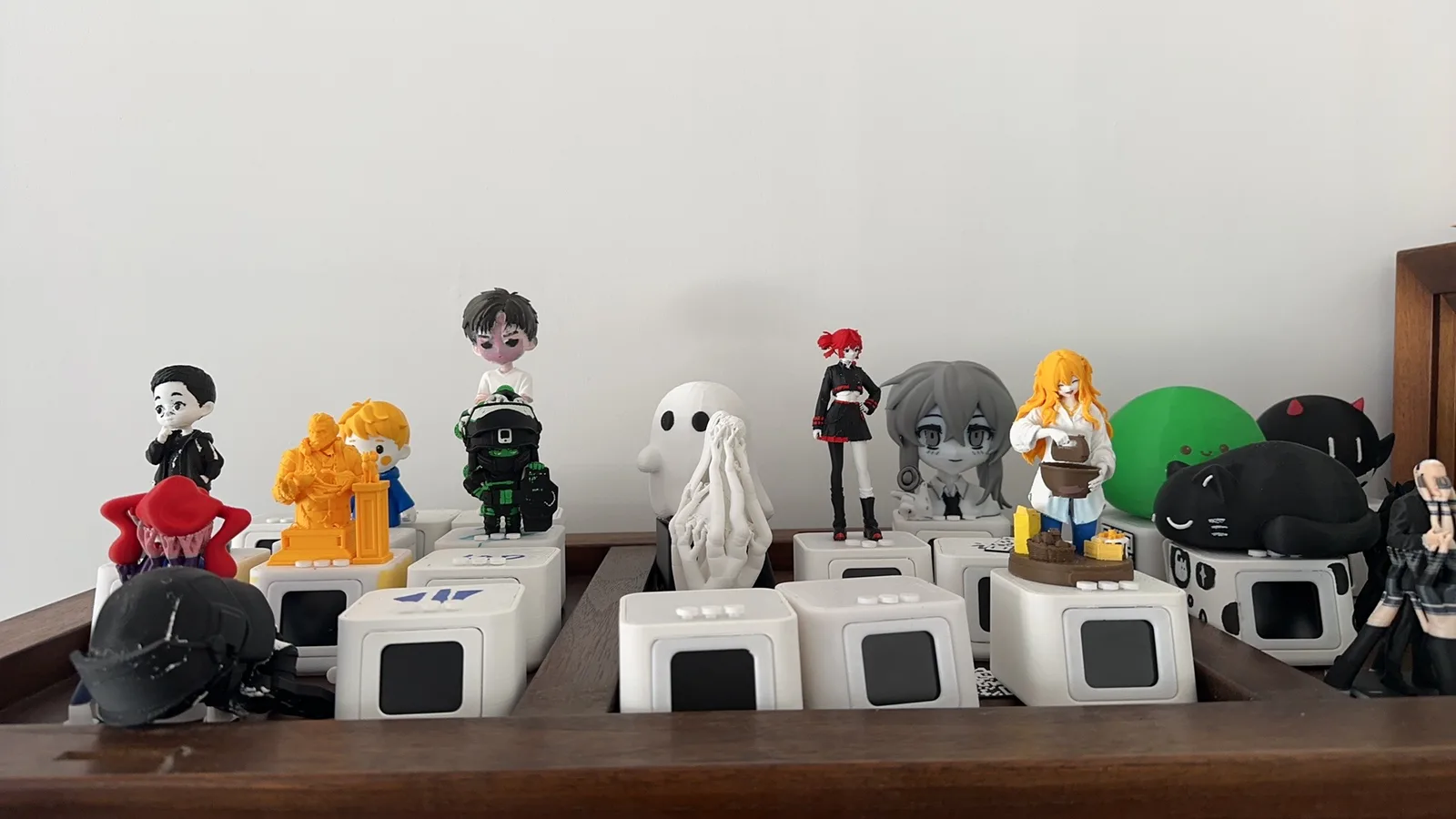
Then other people brought their ideas. Neighbours who make jewellery asked for printed prototypes. A ceramicist wanted a copy of a pot. Schoolchildren stood so close to the printer they seemed to grow on it. In March about twenty people came to an open day. An agent turned the lights on when asked. The telephone failed twice.
Summer 2026
Rough
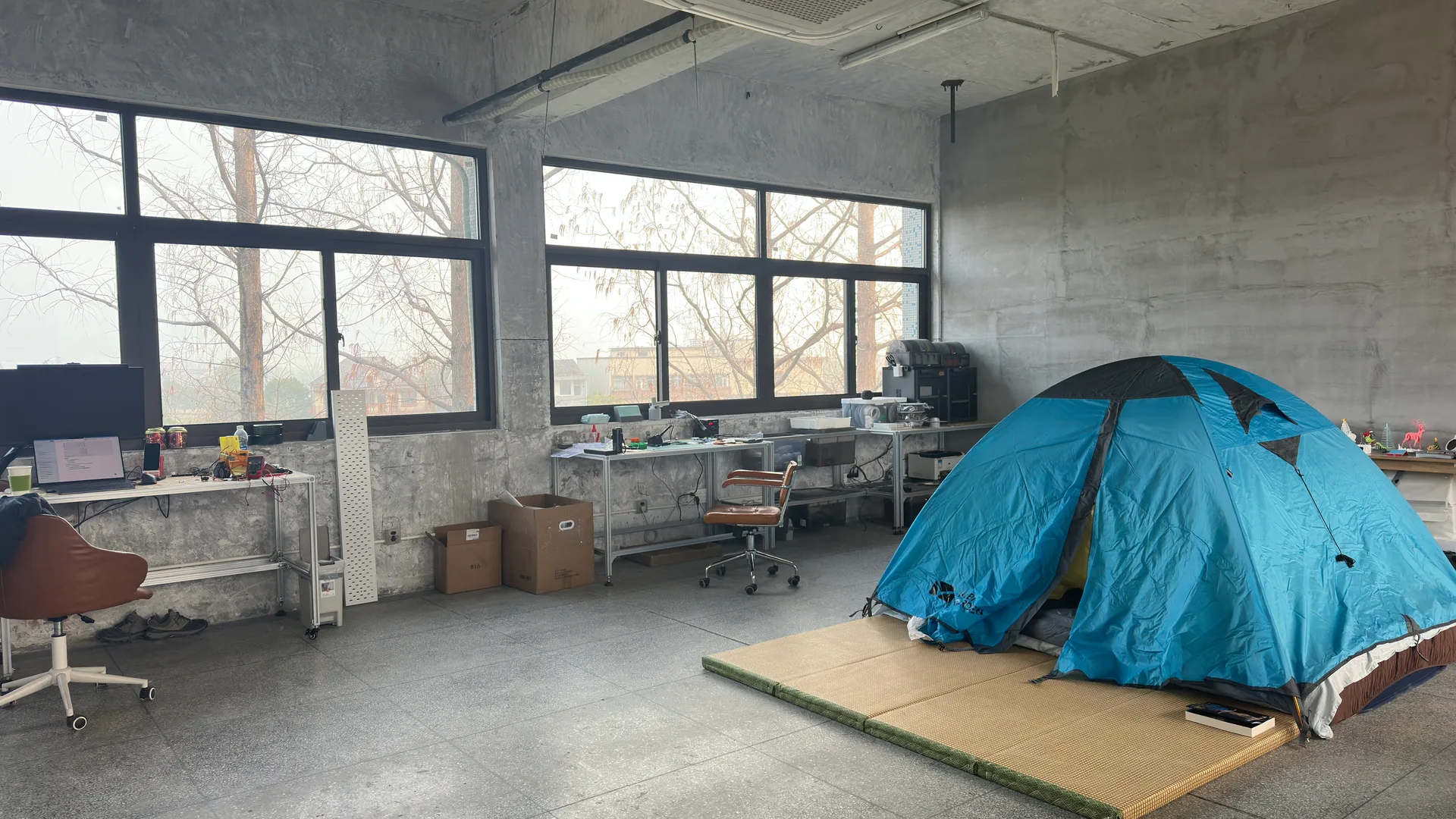
It was never comfortable. There were mosquitoes whenever it rained. For the last seven weeks I lived there, in a tent on the classroom floor.
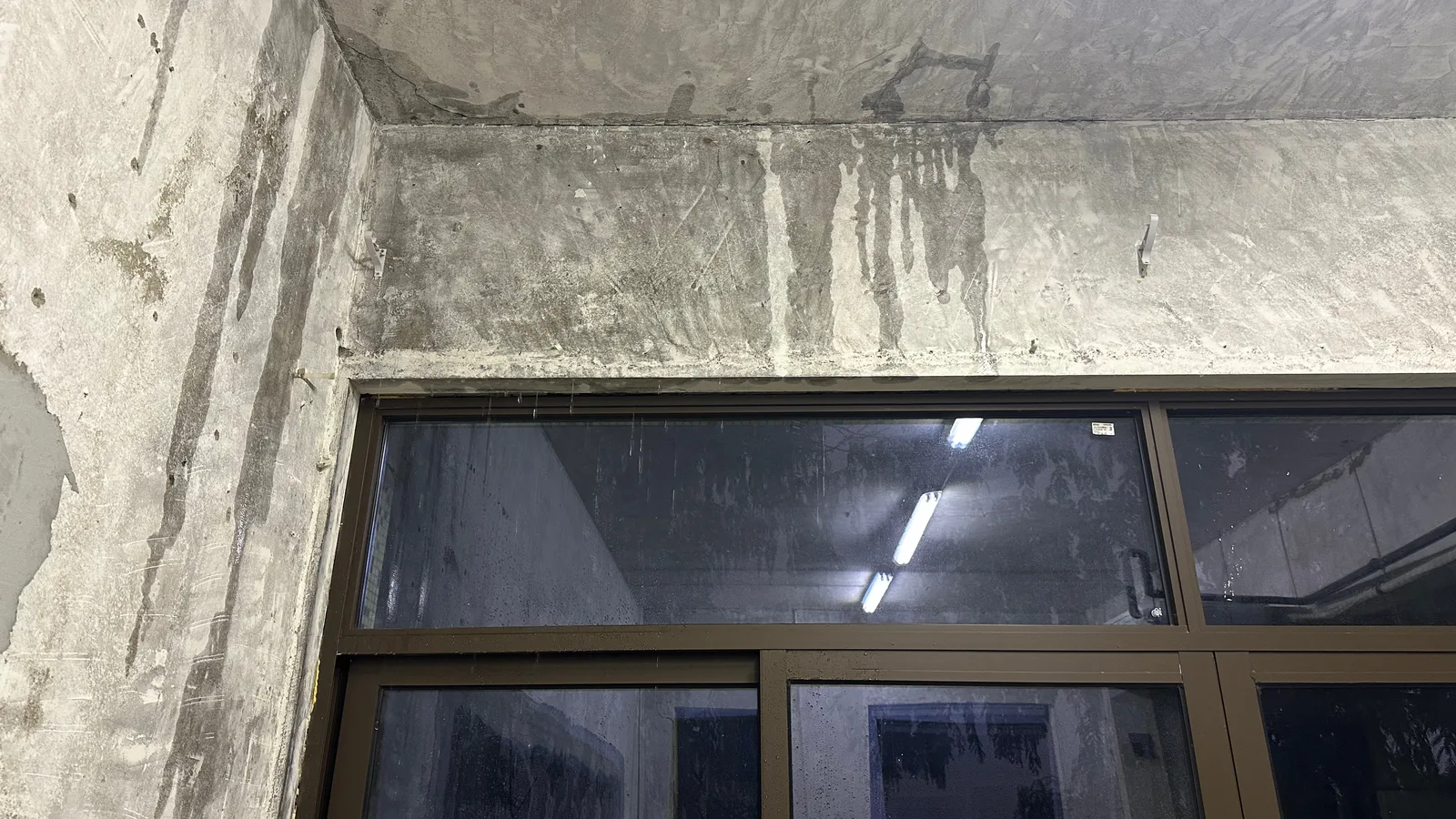
One night in July I crawled out of the tent to film a thunderstorm and found the roof leaking. By morning the computer was dead, two workbenches were soaked and the network was down.
I was alone there most of the time. I liked showing people the room, even when there was little finished work to show, only the room itself.
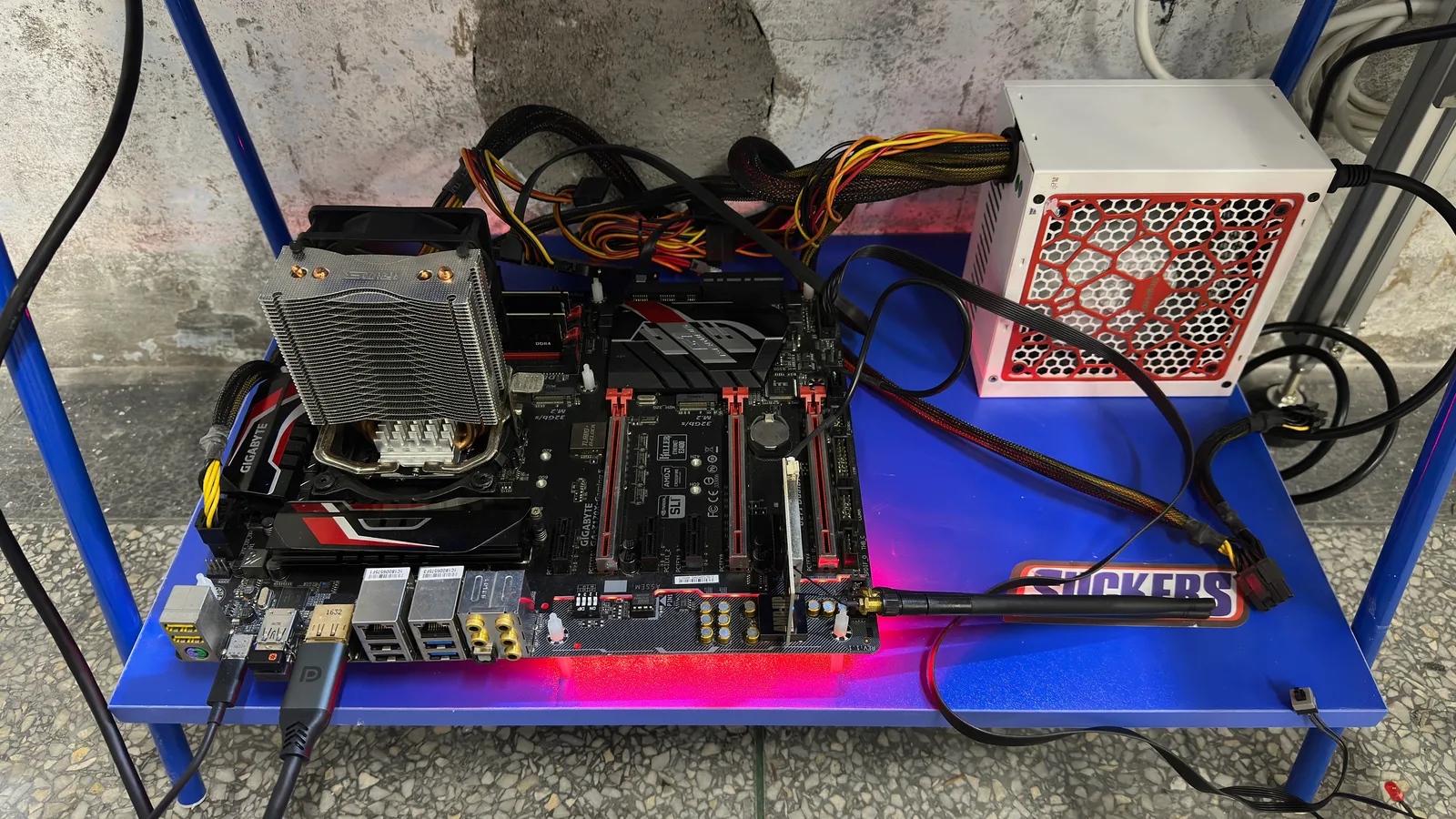
Since July 2026
Smaller
On July 19 the workbenches went into a storeroom. The next morning I folded the tent and flew to California.
The lab I carry now is a laptop that runs the agents, a few circuit boards, and whatever printer is nearby. With it I have made a frame for my hosts’ projector screen and a base for a friend’s installation, and I am making Halloween lights with another friend.
So the first machine has already become smaller once. I want the next one to be simpler still, and to help more people create.