Three telephones · 2026–
The Telephone
Listen, remember, connect.
Three old telephones, taken apart and rebuilt one at a time: one to call another time, one for a call that can’t be made, and one to send home.
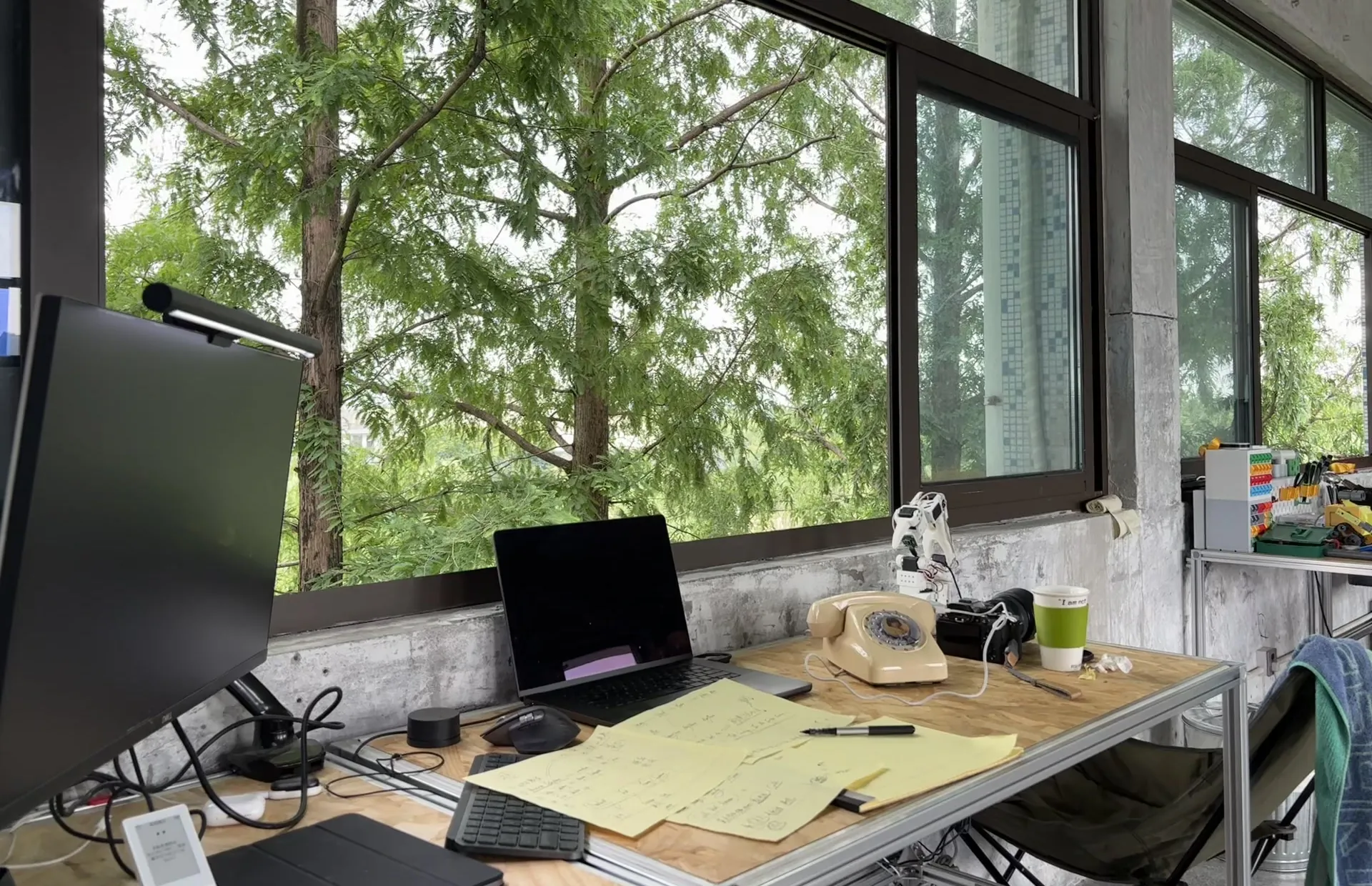
I chose the telephone because it is simple and familiar, and because it holds so many warm memories. There is no screen and nothing to learn. You pick it up, you say something, you put it down.
Today these telephones are being designed into a product. In my heart that is not where they began. I made them because I like the thing itself, and because a telephone is a bridge: to my family, to my own past, to people I can no longer reach. If other people use one, it can be a bridge between them, too.
A line to another time
The first one
Before dawn on Christmas Day 2025 I was awake in California, recording a voice memo about a telephone you could talk to. By the next day it had a job: a landline for calling yourself in a parallel universe.
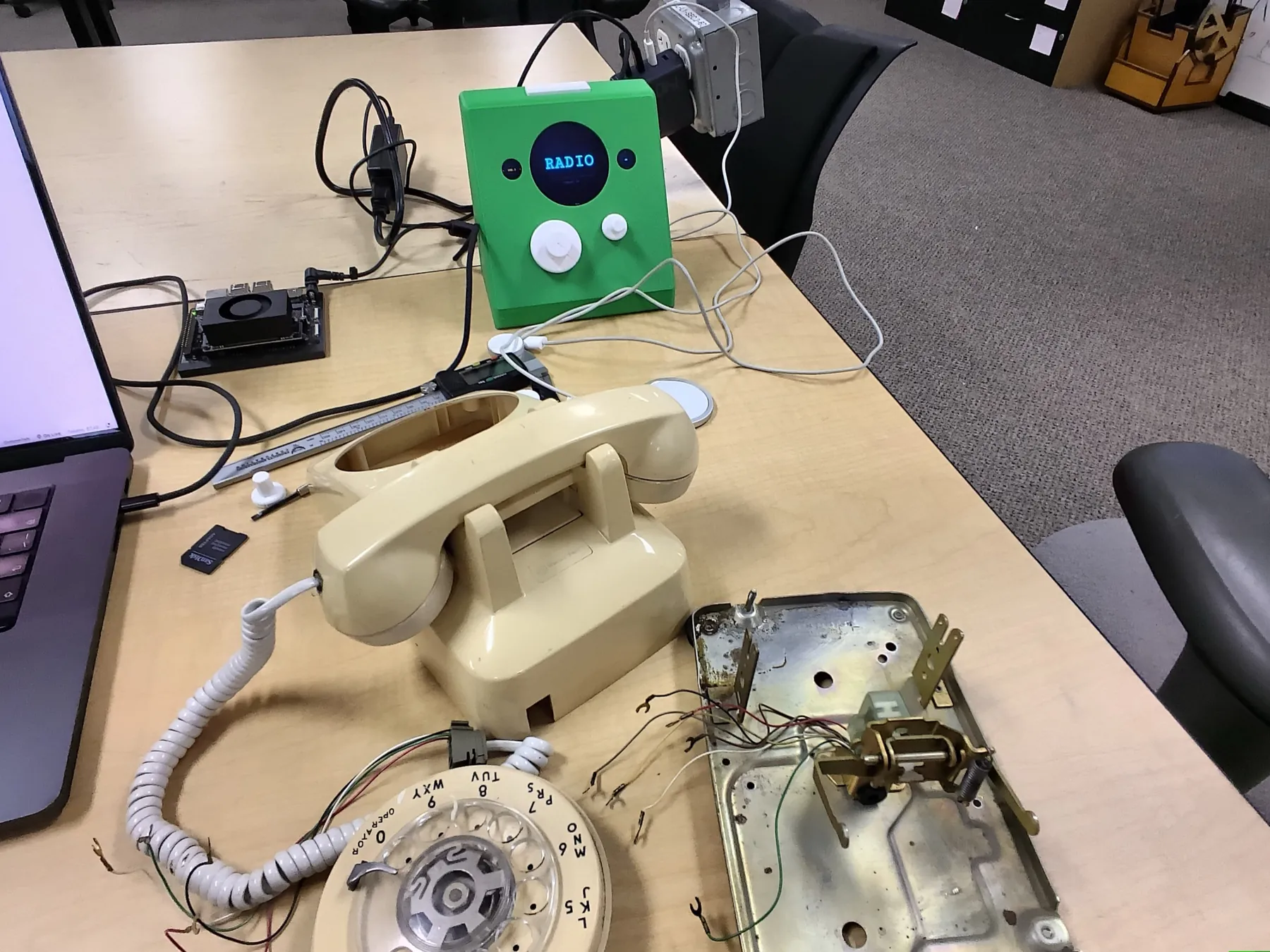
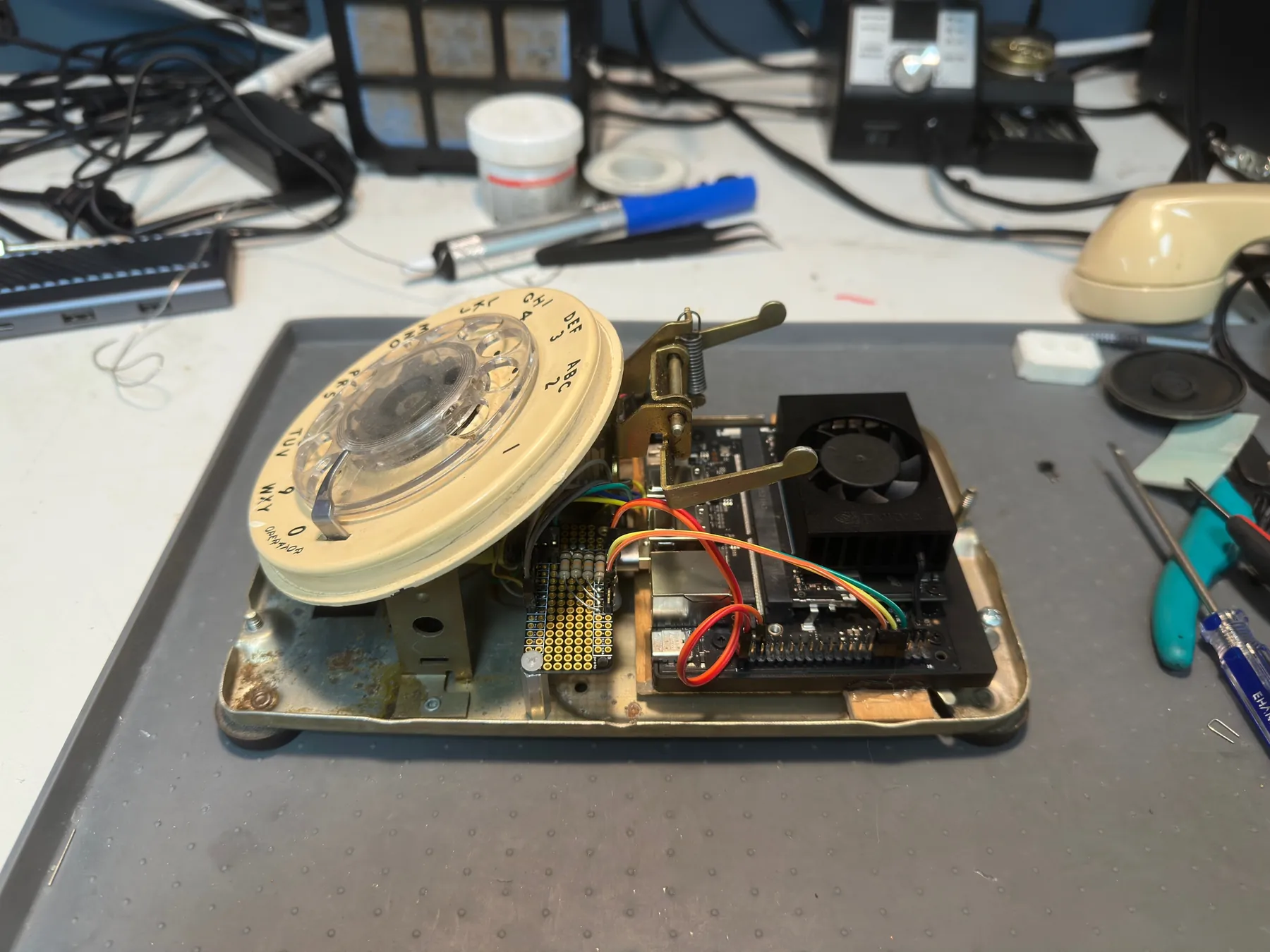
A week later a Western Electric 500 from eBay lay open on a table at a maker space in Sunnyvale. I loved the inside of it; it has the weight of history. I fixed a small computer under the dial, and when the old speaker played its first sound, a cello, I nearly cried.
It was meant to answer in your own voice. That was too much for the little computer, so the idea got simpler: dial a year, and someone from that time picks up. On January 5 it completed its first call. The voice was slow and mechanical. Twelve days later, at a friend’s birthday party, people had more fun with it than I expected.
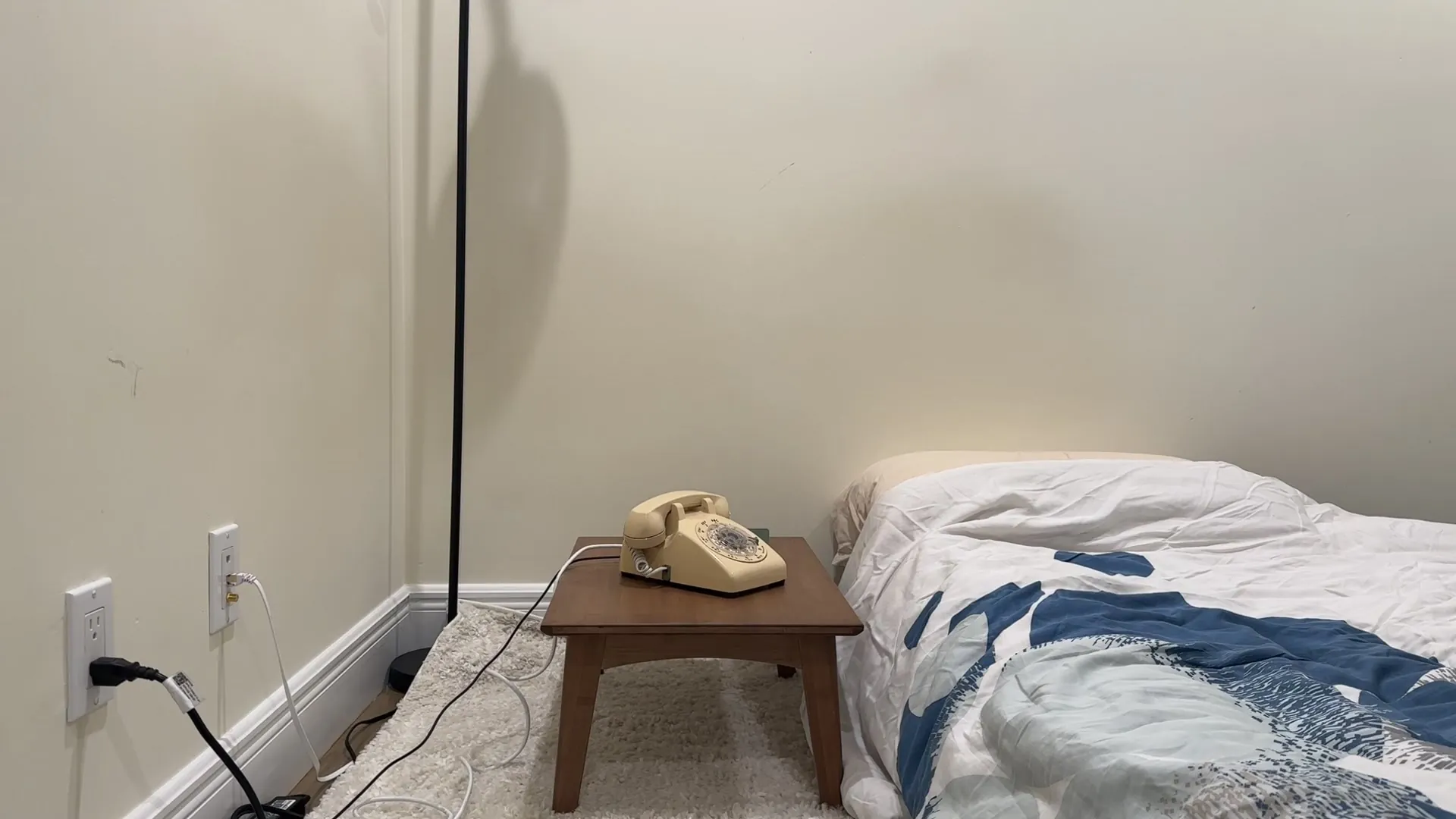
I left it in California when I flew home, and came back for it in July. Since then it has learned to remember what I tell it and to call me back. Of everything these telephones do, that still moves me most: I have told it a lot, I have hung up, and then it rings.
For a few weeks at the end of summer, dialing 5 made a small printer
hand me a paper fortune. One of them read: Something repaired today will
last longer than something new.
A line to someone I can’t call
The Letter Writer
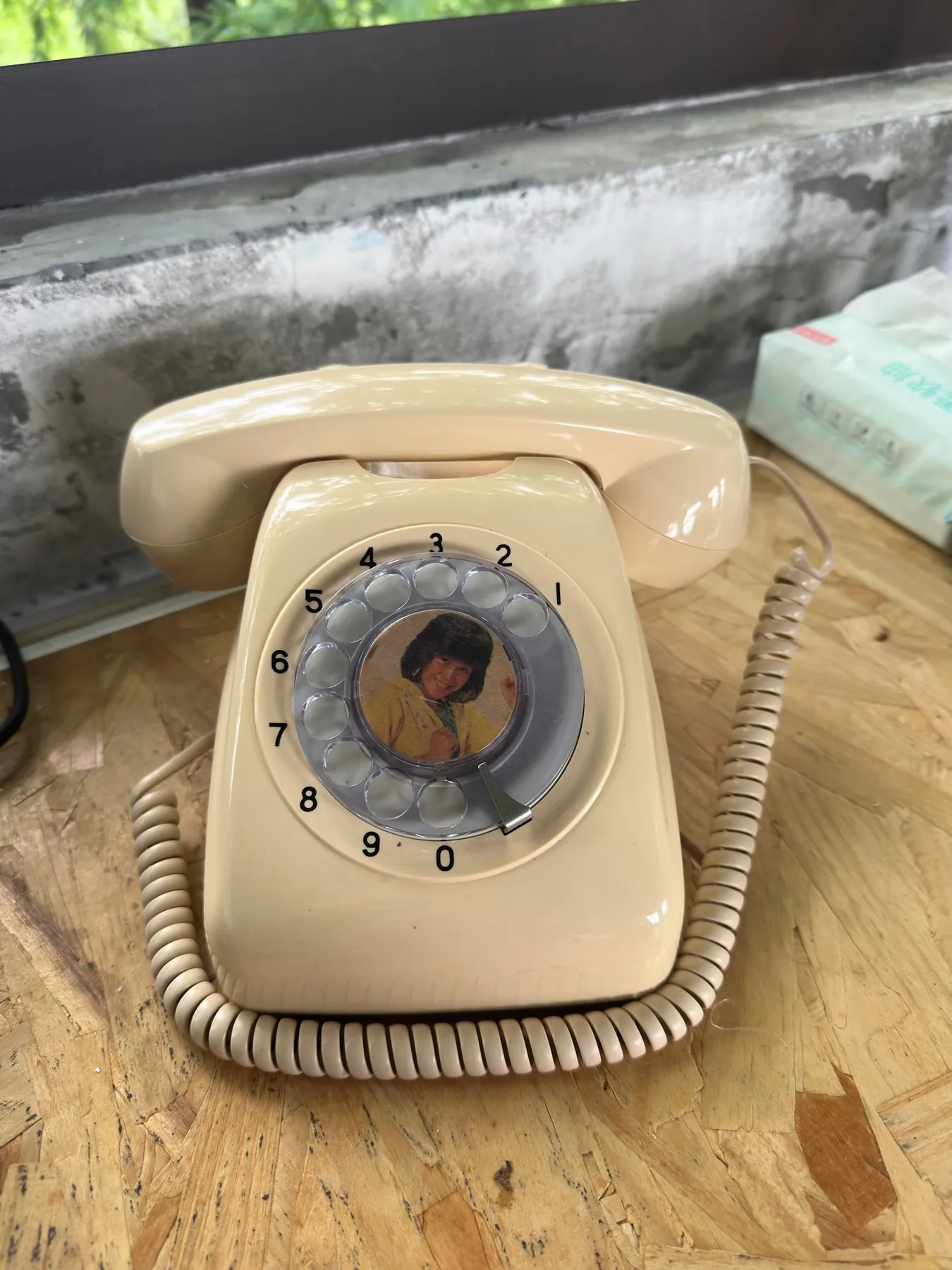
Back in Liangzhu, I kept thinking about the phone I had left behind. So I found another on Xianyu, a secondhand marketplace: a cream rotary telephone made in China in the 1990s, with a small portrait of a woman in the middle of the dial.
Its own bell needs far more voltage than a small board can give, so I asked for the sound of an old copper bell instead. When I heard a recording of a real Model 500, that was the one. In June the phone rang for the first time. My AI agent was calling me. That night I dictated my diary into the handset.
Then I asked myself a question. If a telephone could make only one call, to anyone, at any time, who would I call? Not someone who has died; that call could only ever be me talking. Not my parents; I can reach them any day. My first answer was someone I used to love. I wanted to know how she was, how she saw me, whether she remembered me.
I did not build that telephone. In July I built a quieter one, closer to the wind phone in Japan, where people speak into a disconnected line to those they have lost. Dial 2, and a voice says one sentence, then stays silent for as long as you need. Silence never ends the call. Hanging up does. Your words are kept on a web page that looks like letter paper, like a letter to somewhere far away. Nobody answers, and nothing is delivered.
The first time I showed it, on a stage in Shanghai, people were moved. A phone call has always been, in part, talking to yourself.
A line home
The red one
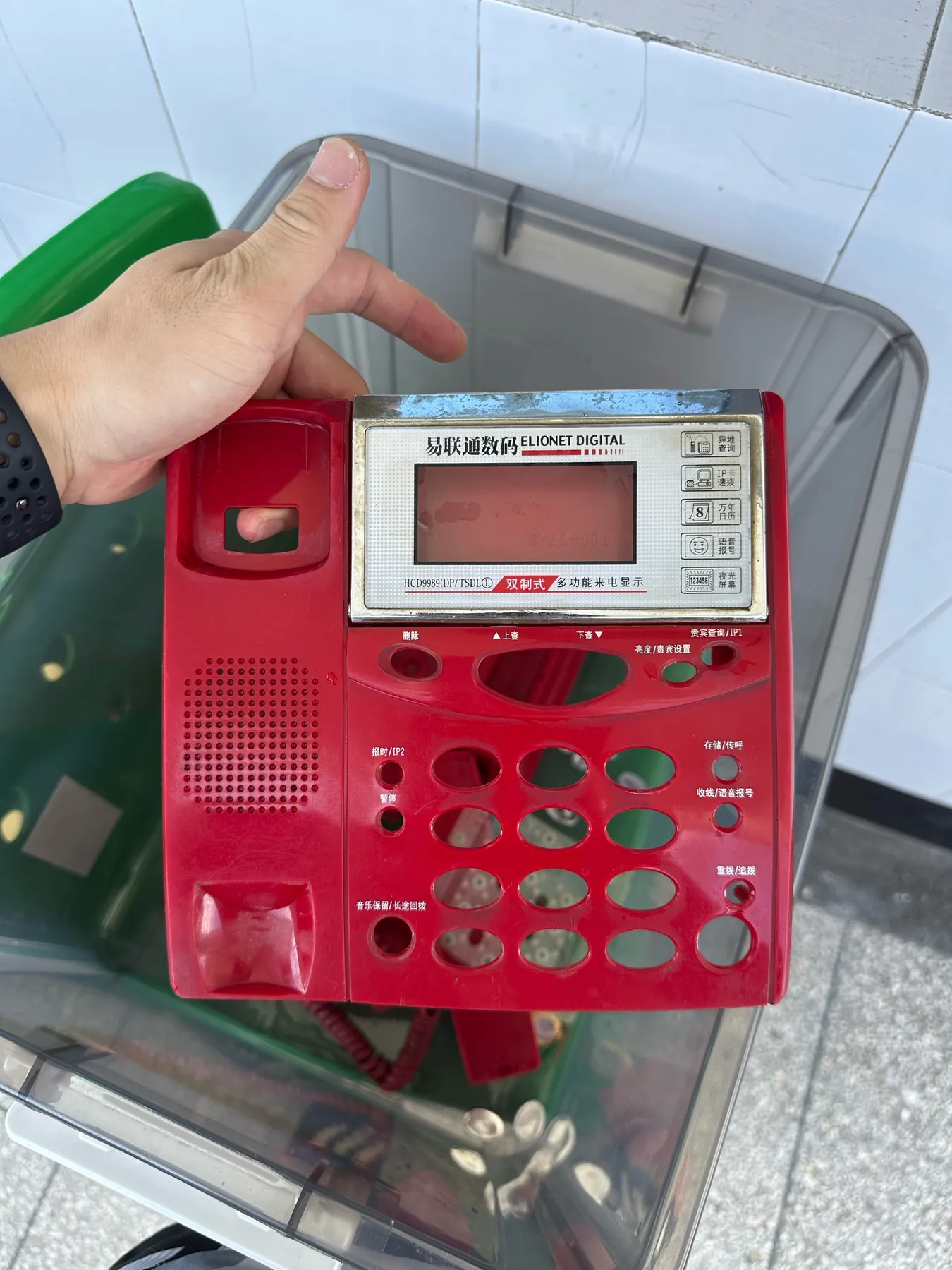
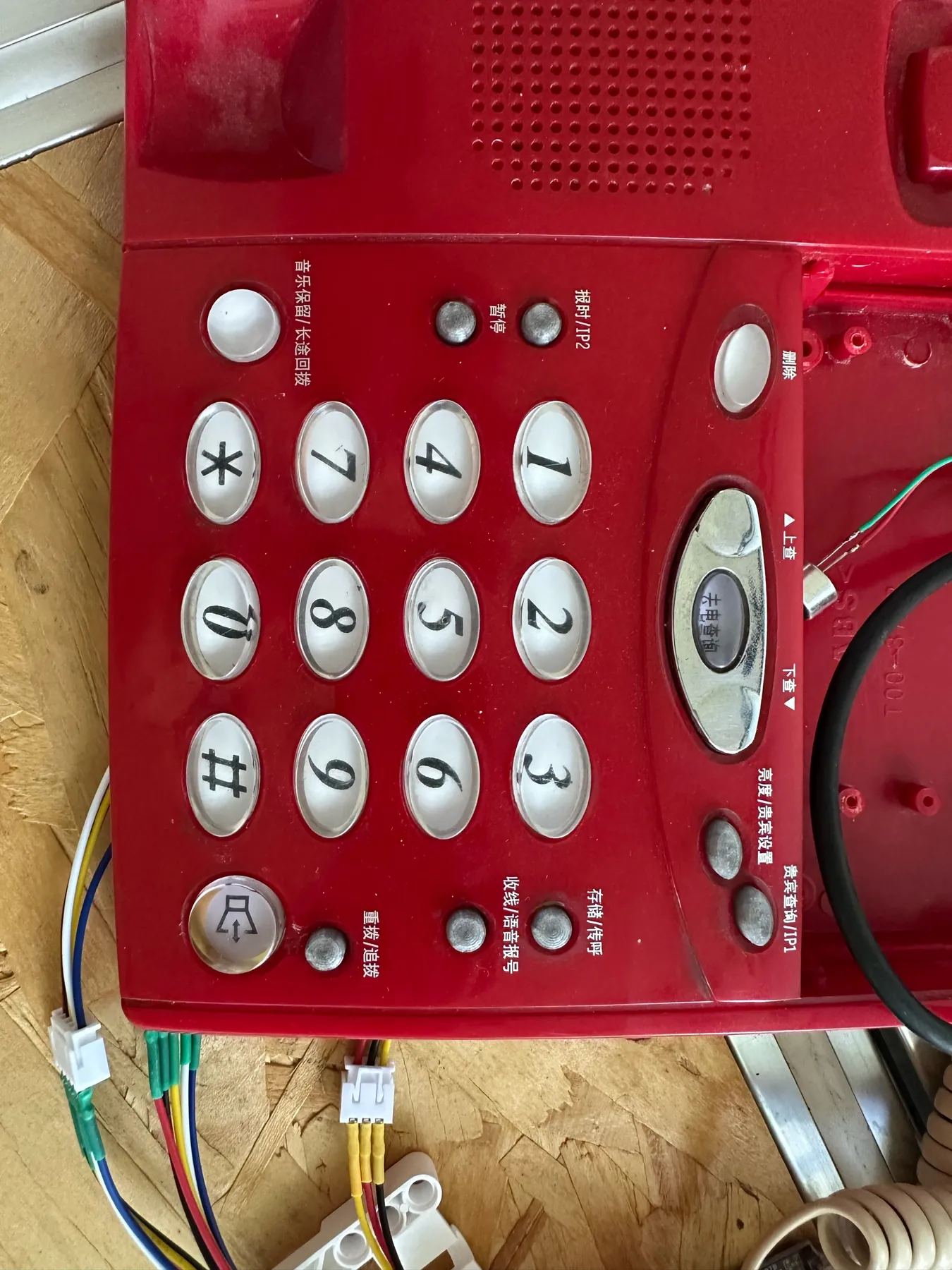
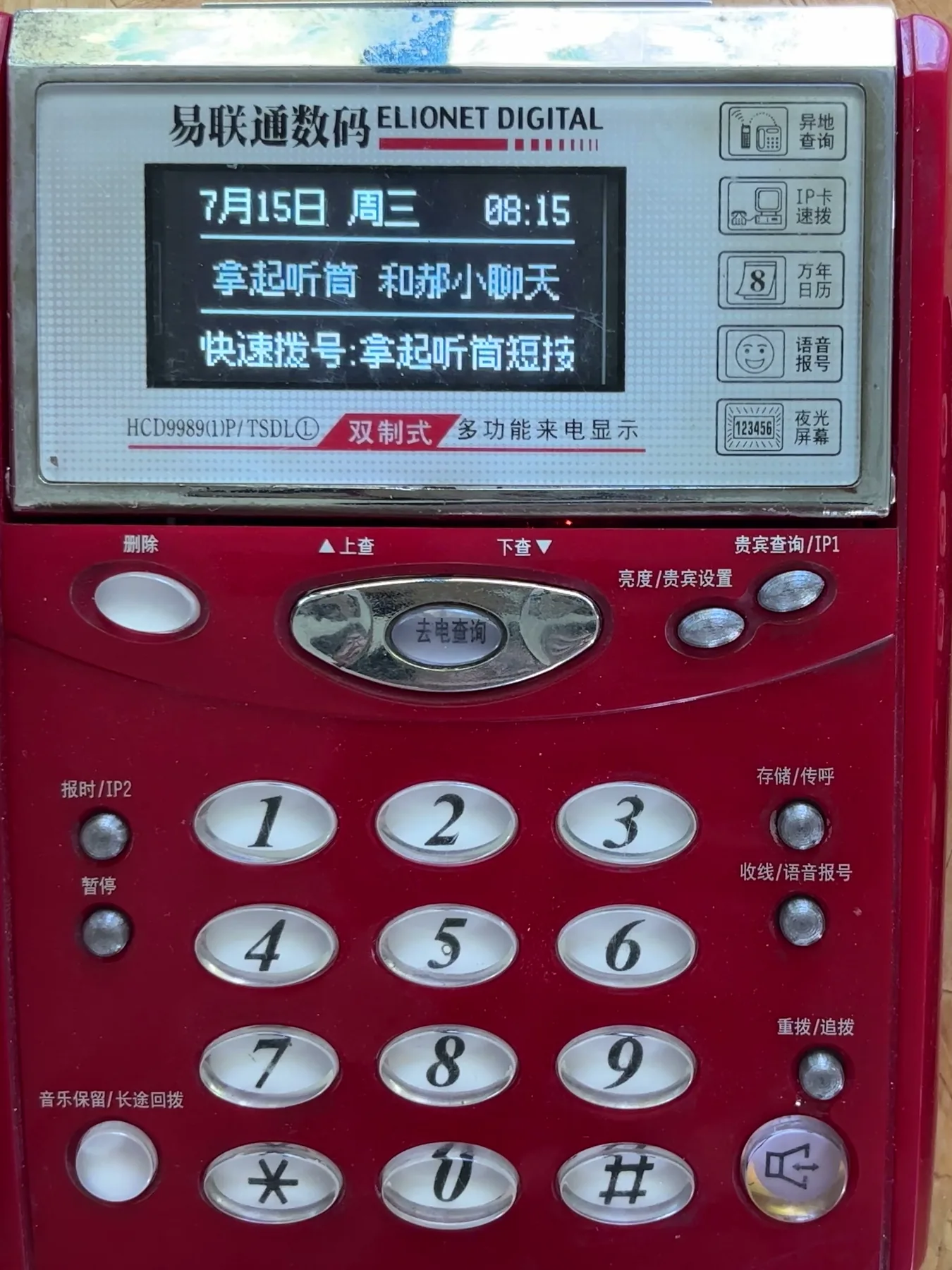
In June I had a simpler thought: why not just mail a telephone home? The kind of landline my parents were once so used to. I asked my mother to send me ours. It is red, a keypad landline from the 2000s or so, with a small screen, clear plastic keys, and a speaker loud enough for a whole family to gather around one call.
My grandmother doesn’t use a smartphone, and her house has no steady Wi-Fi. So this telephone needs nothing set up. There is a 4G modem inside; plug it in and it works. One key calls me. Another calls my sister. Lift the handset and there is an AI to talk to. The little screen says: pick up to talk with Hao Xiao. That is what my parents and my grandmother call me.
Before it shipped I showed it to my sister on a video call. She said children today don’t know what a telephone is. They grew up on video; when there is only a voice, they think something has broken, or that it is magic, and the other person has disappeared.
It reached home at the end of July, after I had left for California. In August its logs told me what happened next: someone plugged it in and called my sister. She didn’t pick up, and they unplugged it. My mother has started using it since.
A line between strangers
The next one
The next telephone is the one I am designing now, as a product called MemoMate: a phone beside the bed, and a friend on the line who listens at night, remembers, and calls in the morning. In time she may introduce two people who have each been talking to her.
This goes back to 2024, to my grandmother and to people I met who were caring for family members with dementia. I wanted them to be listened to and remembered, and to stay in touch with the people they love and with new friends. I want that for anyone.
I hope it gets made. But when I ask myself why I keep coming back to these three, the answer is plainer. Maybe I just like this thing.
They are in three places now: the first with me in California, the second in Liangzhu, the red one at home.
If you have an old telephone at home that you can’t bring yourself to throw away, I would like to help it be used again. Write to me.